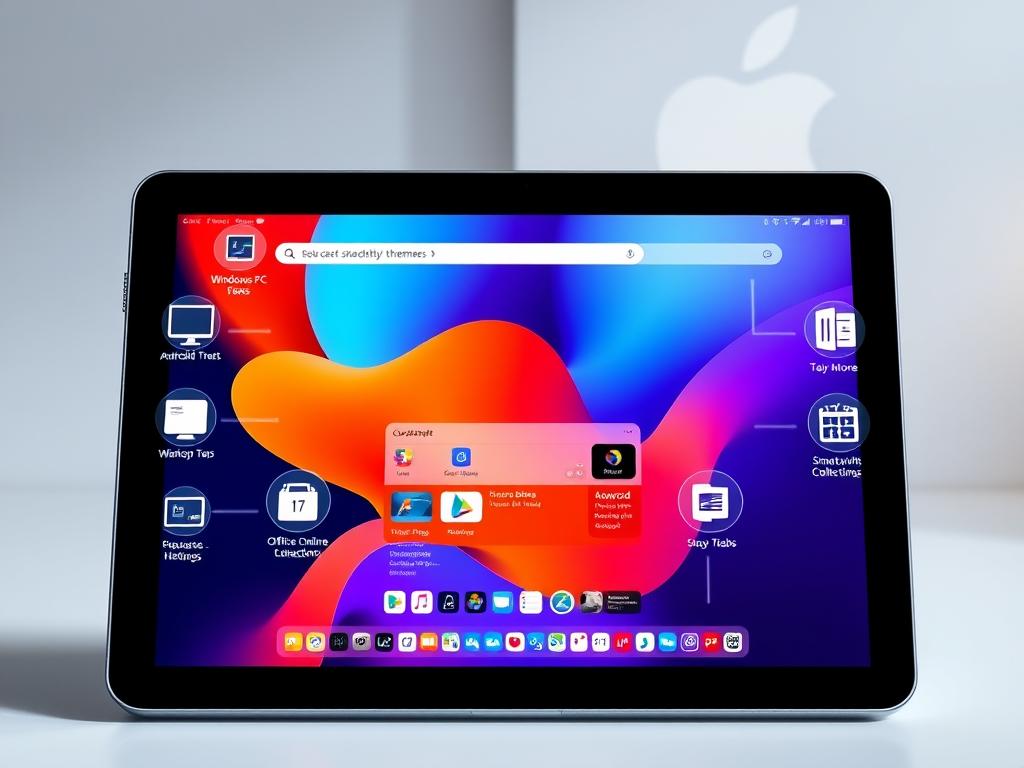
In a world where Apple’s ecosystem usually reigns supreme, especially on its own devices, it was astonishing to find that Safari might not be the best browser choice for iPad users. Despite Apple’s notorious restrictions on third-party browser engines, which compel browsers to utilize the WebKit engine, Microsoft Edge manages to surpass Safari in delivering a more fluid and engaging browsing experience. This revelation is not only surprising but also opens the door to reevaluating default app choices on Apple devices.
What makes Microsoft’s Edge such an appealing alternative on the iPad? The answer lies in its commitment to user-centric design and a suite of features that resonate with modern-day needs. Edge’s seamless integration with Microsoft’s ecosystem, including its smart collections and robust syncing features, extends its utility beyond mere browsing. Additionally, its built-in tools for productivity offer a desktop-like experience that the Safari browser struggles to match. For instance, having insights and quick access to Office Online, directly from the browser, can significantly enhance multitasking efficiency.
The aesthetic choices and customization options offered by Edge also play a significant role in its appeal. While Safari is known for its minimalistic and classic interface, Edge takes it a step further by allowing users to personalize their browsing environment to a greater extent. From theme alterations to layout tweaks, the ability to tailor the browser interface to one’s preference gives it a distinctive edge. This aspect is especially beneficial for users who enjoy a touch of personalization in their digital interactions.
Another advantage of using Edge over Safari is its cross-platform versatility. While Safari’s prowess is largely confined to Apple’s ecosystem, Edge allows for a seamless experience across devices, regardless of the operating system. This cross-platform synchronization is beneficial for users who switch between different devices, ensuring that tabs, history, and settings are always in sync. This multi-device compatibility not only enhances user convenience but also makes Edge a worthy consideration for those deeply tied into the Apple environment but desiring more versatility.
In conclusion, while it might seem counterintuitive at first, Microsoft’s Edge presents itself as a formidable alternative to Safari on the iPad, pairing well with Apple’s hardware despite the restrictions in place. Its feature set, customization options, and cross-platform prowess make it a contender worth exploring. As we continue to see advancements in technology and user needs, it’s important to remain open to alternative tools that can enhance our digital experiences, even on devices as exclusive as Apple’s iPad.