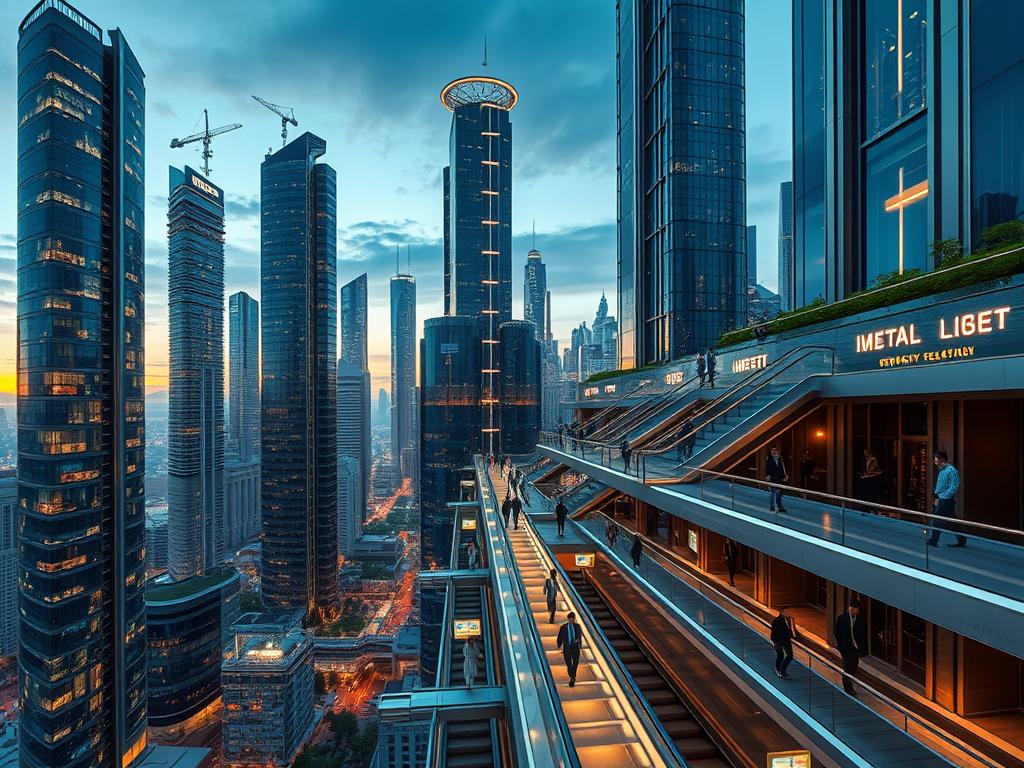
In an era where cityscapes are continually reaching new heights, the humble elevator and escalator have ascended as unsung heroes of urban convenience. Recent projections from Credence Research suggest that the global market for these vertical transport solutions is set to skyrocket, reaching a staggering USD 228.94 billion by 2032. This rapid expansion, paced at a consistent 4.40% compound annual growth rate (CAGR), is more than just a set of impressive numbers; it reflects a broader trend of transformation in urban living and infrastructure.
The driving force behind this growth is rooted in the inexorable march of urbanization. As city populations swell, the demand for efficient space usage and development of skyscrapers has inevitably surged. Elevators and escalators play a crucial role in this vertical expansion, enabling the growth of multi-story buildings that maximize minimal urban spaces. It is within this context that technological advancements in the field are taking center stage, marrying convenience with sustainability and safety.
Modern elevators and escalators are not merely functional; they have become smart solutions finely tuned to the rhythms of contemporary urban life. The integration of digital technologies into their operations signifies an evolution from basic transport mechanisms to sophisticated systems capable of optimizing energy use, predicting maintenance needs, and enhancing user experience through personalization. Sensors and IoT devices, for instance, mean elevators can now communicate their status and requirements, thereby minimizing downtime and ensuring seamless urban mobility.
Infrastructure upgrades across the globe have also fueled this sector’s growth. From transport hubs to residential complexes, the demand for more advanced and efficient mobility solutions continues to intensify. Governments and private sectors alike are investing heavily in infrastructure projects that require cutting-edge elevators and escalators to meet modern demands. Innovators and industry leaders are thus tasked with ensuring that their products not only meet current needs but are also resilient and adaptable to future developments.
As we gaze into the future of urban living, the elevator and escalator market stands as a testament to human ingenuity and adaptability. It underscores the symbiotic relationship between technological innovation and urban development. As cities continue to evolve, the infrastructure that supports their growth must also advance. The predicted upswing in the market highlights both the challenges and opportunities that lie ahead, beckoning a future where seamless, sustainable transportation within buildings becomes the standard, not the exception.