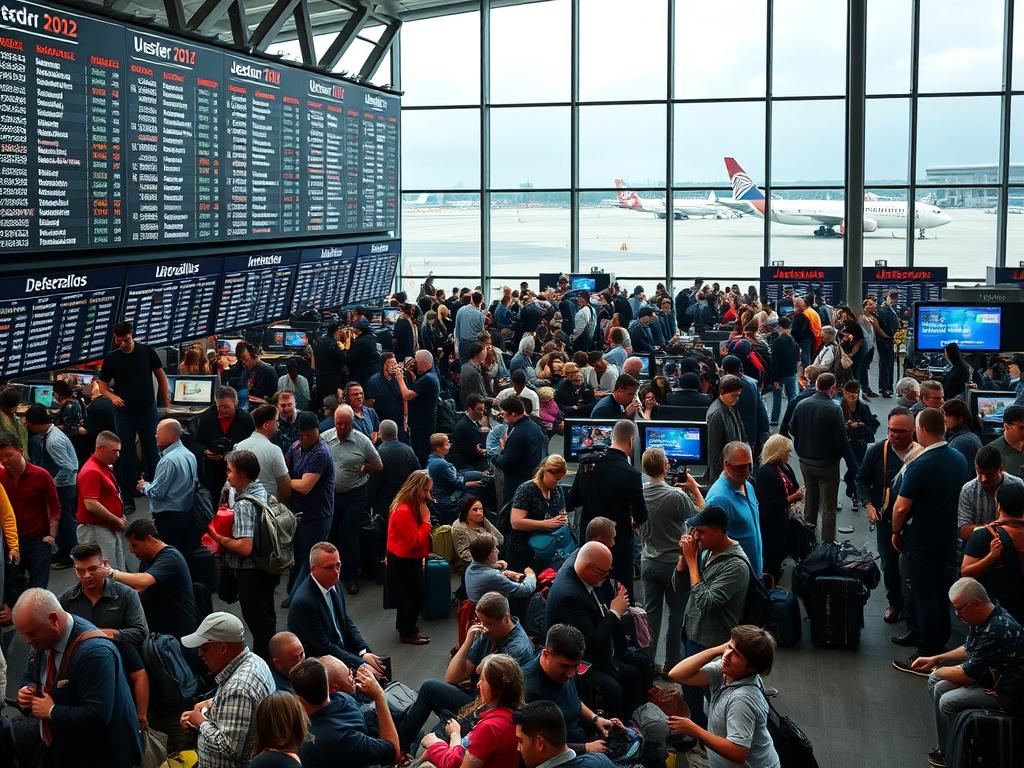
This week has seen an unprecedented wave of travel disruptions across Australia, impacting thousands of passengers through unexpected flight cancellations and delays. Leading airlines such as Jetstar, Virgin Australia, Air New Zealand, and United have reported a collective total of 16 flight cancellations alongside over 100 delays, primarily affecting Sydney and Melbourne airports. This cascade of setbacks has resulted in a flurry of frustration and logistical challenges as travelers scramble for alternatives.
The ripple effects of these disruptions are being felt far beyond the departure gates, highlighting the delicate balance required to maintain smooth airline operations. While the specific causes of these cancellations and delays have varied, an interplay of factors seems to underpin this recent spate of disruptions. From unscheduled maintenance issues to adverse weather conditions and the ongoing challenges of staffing shortages, each airline appears to be grappling with its own set of obstacles in a high-stakes environment.
Amidst the chaos, the aviation industry is facing renewed scrutiny over its ability to withstand operational pressures while maintaining customer satisfaction. Passengers have taken to social media to voice their discontent, sharing stories of missed connections, rescheduled itineraries, and unexpected overnight stays. As airlines work tirelessly to manage the fallout, customer service teams are tasked with the herculean effort of rebooking flights and providing accommodations, aiming to turn dissatisfaction into understanding.
The significance of these disruptions extends beyond inconvenience, as they potentially influence future travel behaviors and rely on the travel industry’s ability to adapt quickly. This scenario serves as a reminder of the delicate interplay between unpredictable external factors and internal operational efficiencies. Stakeholders across the transport sector are undoubtedly using this opportunity to revisit contingency planning and infrastructure resilience, ensuring they can better weather such storms in the future.
Ultimately, the airlines’ responses in the coming days will be a testament to their resilience and commitment to customer service. As the dust settles, passengers are left pondering the ever-growing complexity of travel in today’s world. While the immediate impact of these cancellations and delays has been keenly felt, how airlines learn and grow from this experience will be key in restoring consumer confidence. This incident serves as a stark reminder of the unpredictable nature of air travel, urging both service providers and passengers to brace for both turbulence and smooth sailing ahead.