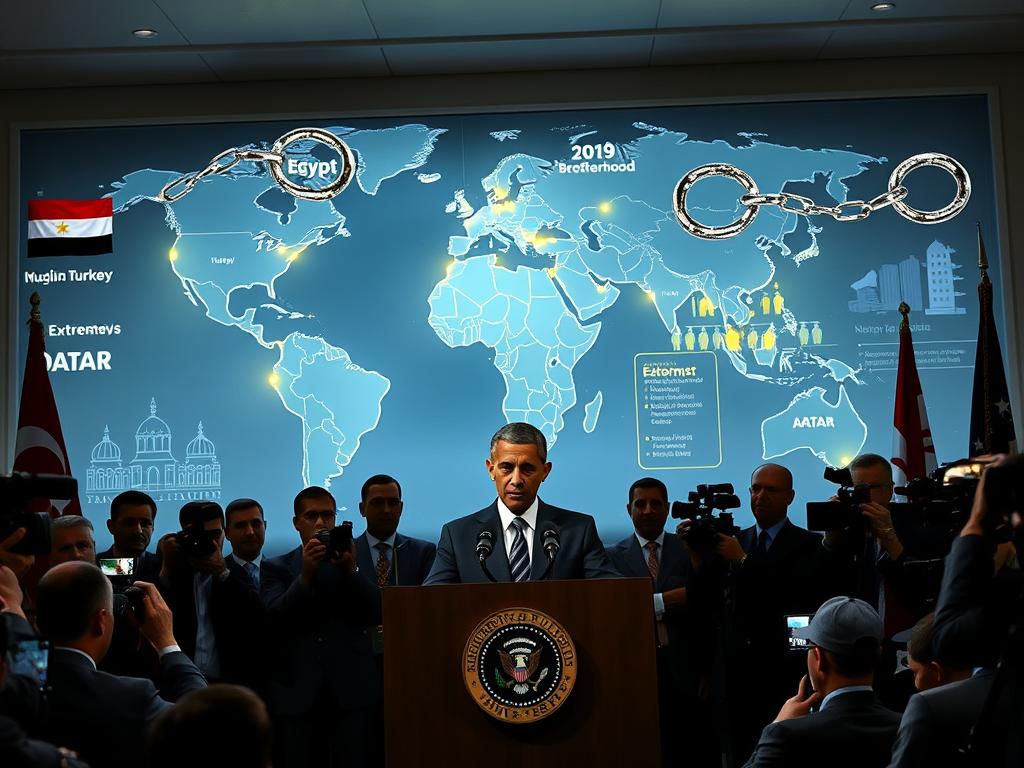
In a significant and controversial move, the U.S. government has labeled certain chapters of the Muslim Brotherhood as terrorist organizations. This decision, announced by presidential authority, reverberates through international political corridors and raises numerous questions about its potential implications. As the world grapples with the complex nature of modern terrorism, dissecting the significance of such designations becomes crucial.
The Muslim Brotherhood is a transnational Sunni Islamist organization that has influenced global Islamic movements since its founding in Egypt in 1928. Historically, it has been involved in social, political, and charitable activities, often advocating for Islamic governance. However, its reputation is polarized; while some view it as a moderate reformist movement, others criticize it for having extremist undercurrents. By labeling some of its branches terrorist entities, the U.S. draws a decisive line, invoking both security concerns and scrutiny over diplomatic impacts.
This declaration may strain diplomatic ties with countries where the Muslim Brotherhood is part of socio-political landscapes, such as Egypt, Turkey, and Qatar. For instance, Egypt has already designated the group as a terrorist organization following the military’s rise to power in 2013. Yet, in Turkey and Qatar, the Brotherhood remains influential, complicating their diplomatic relations with the U.S. This divergence presents a geopolitical puzzle as nations reevaluate alliances amidst this reclassification.
Domestically, the labeling echoes through policy and public opinion. It may bolster initiatives aimed at curbing radicalization but also risks alienating segments of the Muslim community who may feel unfairly targeted. The move necessitates a careful balance between security and civil liberties, urging policymakers to ensure distinctions between extremism and legitimate religious-political expression are preserved. Engaging with Muslim communities within the U.S. may help alleviate concerns of marginalization while fortifying national security objectives.
Ultimately, the designation underscores the intricate challenges of counterterrorism in a globally interconnected society. Closing the blog, it’s essential for the international community to engage in honest dialogues about the roots of extremism and the delicate task of distinguishing between ideology and violence. While the U.S.’s decision is a decisive step in its counterterrorism strategy, fostering inclusive and informed debates is vital to navigate the path forward thoughtfully and effectively.