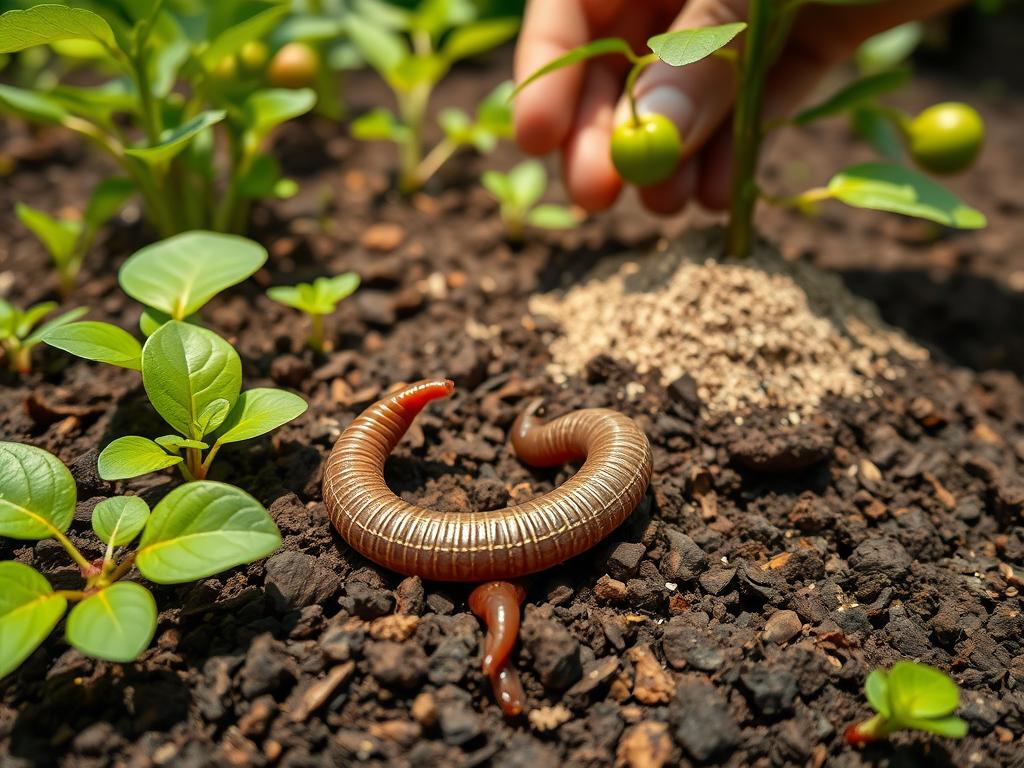
Gardeners at some point may find themselves staring at a peculiar, wiggly visitor in their backyard: the creepy worm. While discovering unexpected inhabitants in your garden can be alarming, not every stealthy crawler poses a threat. This article dives into understanding these creatures and discerning whether they are friends or foes of your plants.
Firstly, identifying the worm is crucial. Many worms are actually beneficial to soil health, such as earthworms, which aerate and fertilize the ground as they tunnel through it. However, invasive species like the Asian jumping worm can disrupt the ecosystem by rapidly consuming soil nutrients, leaving behind a trail of poor-quality dirt. A quick response in identifying and managing these can save your garden from significant damage.
The inquiry about worms striking gardens is timely, as other similar horticultural questions arise. A common inquiry involves wood ash and its potential benefits for gardening. Wood ash can indeed be used to boost soil pH levels due to its limestone content; however, it should be used judiciously. Excessive amounts can overly alkalinize soil, which might not suit all plant types, potentially hindering growth.
Moreover, there’s ongoing debate about apple trees and their annual dance with insecticides. While spraying insecticides might provide short-term relief from pests, it’s important to consider the long-term implications of such treatments on both our health and the environment. Exploring organic or natural pesticide options could offer a more sustainable path, potentially benefiting both the fruit’s quality and the surrounding ecosystem.
Conclusively, engaging with these gardening challenges requires a balance of knowledge and experimentation. Whether it’s decoding the mystery of an unwanted worm, managing soil’s health with wood ash, or deciding on apple tree treatments, every decision impacts the garden’s future vitality. Embracing a cautious yet curious approach will equip gardeners to nurture thriving, resilient landscapes.