In a startling revelation, a man accused of attacking a National Guard facility has been described as having led a tumultuous life marked by intense seclusion and unpredictable actions. His story unveils a pattern of behavior that oscillated between complete withdrawal from the world and abrupt, risky travels. This dual existence reflects a deeper struggle that had been brewing long before the tragic incident.
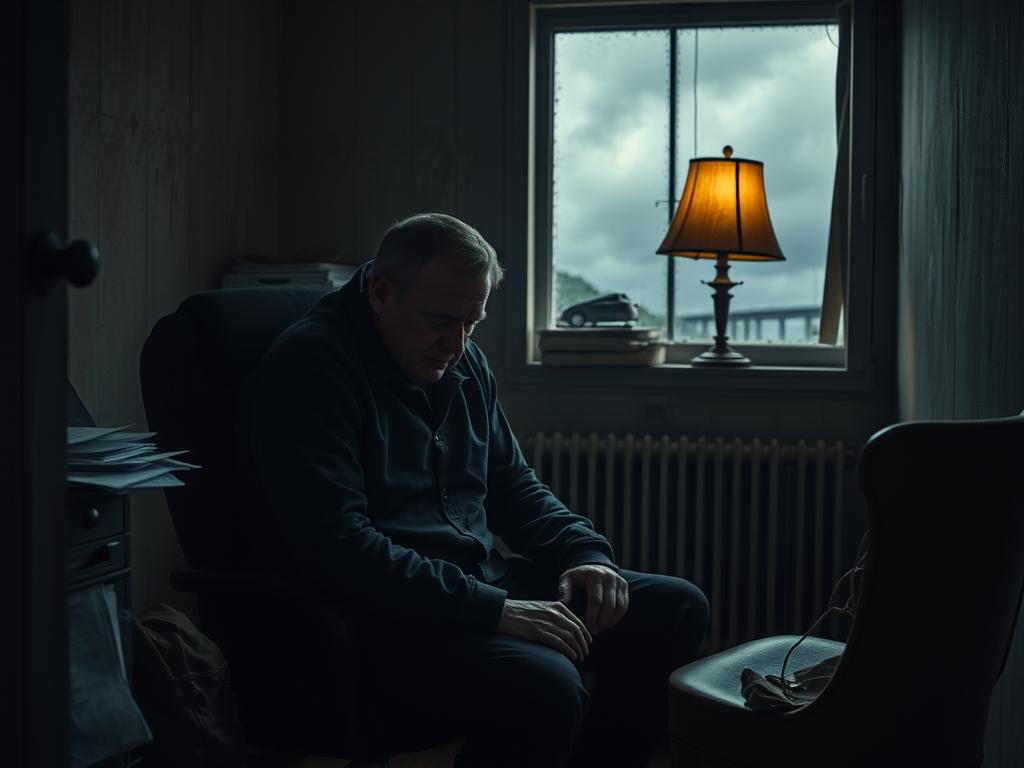
Friends and family members paint a picture of a man who seemed to be trapped in a cycle of darkness. Despite being surrounded by loved ones, he would frequently retreat into a silent world within his own home, often spending extended periods of time in isolation. This self-imposed exile, primarily in a dimly lit room, signifies a profound detachment not only from his immediate surroundings but also from the reality of his familial responsibilities.
The periods of isolation were punctuated by bursts of impulsive travel, which served as a stark contrast to his otherwise withdrawn lifestyle. Such erratic escapades could be interpreted as desperate attempts to flee from inner demons, seeking solace or distraction in the unfamiliar. However, these trips, devoid of purpose or planning, seem to have exacerbated his instability rather than providing the relief he perhaps sought.
From a psychological standpoint, this behavior might suggest a struggle with mental health issues, particularly those involving mood disorders or depression. It’s not uncommon for individuals facing such challenges to exhibit unpredictability in their actions. Alternating between reclusive tendencies and reckless ventures could indicate an urgent need to escape from an oppressive mental state, albeit temporarily.
The unfolding narrative of this suspect serves as a poignant reminder of the often unseen battles that many individuals face. While this does not justify acts of violence, it underscores the critical need for awareness and intervention in mental health crises. Society must strive to provide better support systems and outreach to those who silently endure profound struggles, recognizing that beneath the surface of such tragic stories lies a call for help that went unheard for too long.