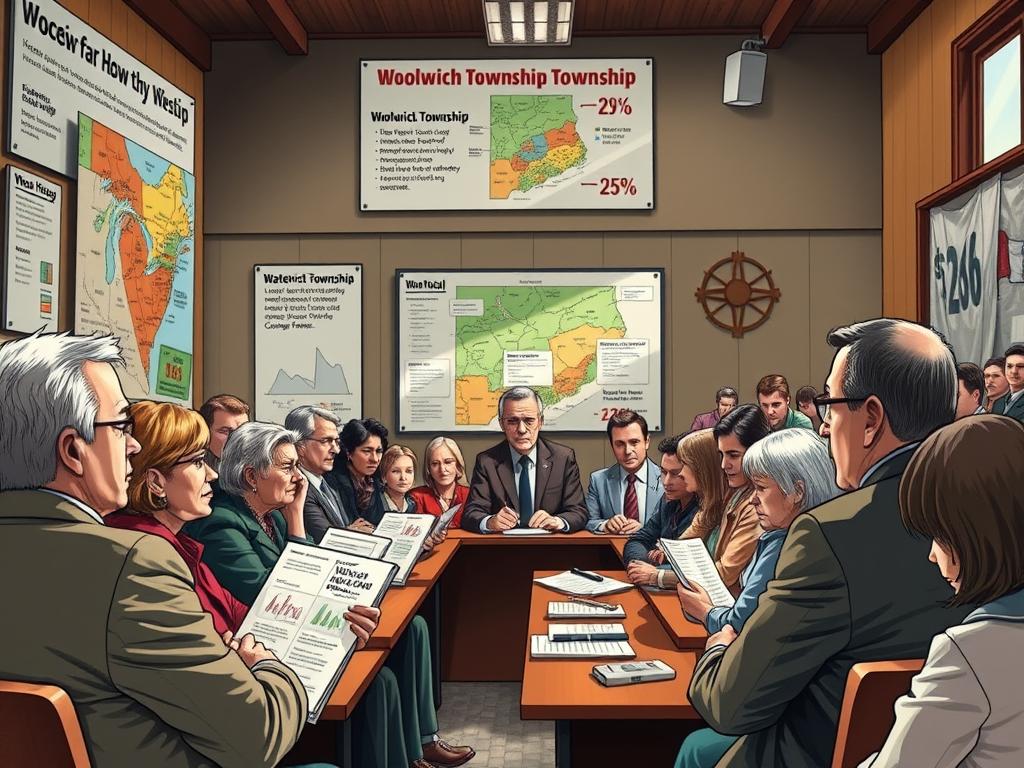
As financial deliberations intensify across the Waterloo Region, Woolwich Township finds itself at the heart of a stormy debate. The proposition on the table—a potential 22 per cent tax increase set for 2026—has sparked spirited discussions among local officials and residents alike. This significant hike reflects the township’s attempt to manage ongoing financial issues, a challenge not unique to Woolwich but prevalent throughout the surrounding areas.
In examining this dramatic proposal, it’s essential to consider the economic backdrop of the region. Just last year, neighboring Wilmot Township grappled with similar financial dilemmas, considering tax increases as a strategic move to stabilize their budget. These economic challenges highlight a shared regional struggle to balance public service needs with financial sustainability. Such considerations are crucial in understanding Woolwich’s current predicament.
Supporters of the increase argue that it’s a necessary step to ensure essential services continue without disruption. They contend that the township’s infrastructure needs significant investment to maintain quality of life standards that residents have come to expect. Furthermore, proponents suggest that with careful long-term planning, this tax hike could eventually alleviate future financial pressures, offering a more secure fiscal outlook for the community.
On the flip side, many residents voice concerns over this proposed increase, citing potential economic strain on families already managing tight budgets. They argue that such a rise might not just affect everyday household finances but could also ripple through the local economy, impacting businesses and potentially discouraging new investments in the area. These opponents urge township leaders to explore alternative funding avenues or cost-cutting measures before resorting to such substantial tax changes.
The discussion over Woolwich’s potential tax increase presents a microcosm of broader economic challenges faced by municipalities across the country. It’s a delicate balance between ensuring financial health and being mindful of the taxpayers’ burdens. As these debates continue, they serve as a vital platform for community engagement, fostering dialogues that will ultimately shape the township’s future. Navigating these financial waters will require thoughtful consideration and collaboration, ensuring decisions made today support sustainable and prosperous community growth tomorrow.