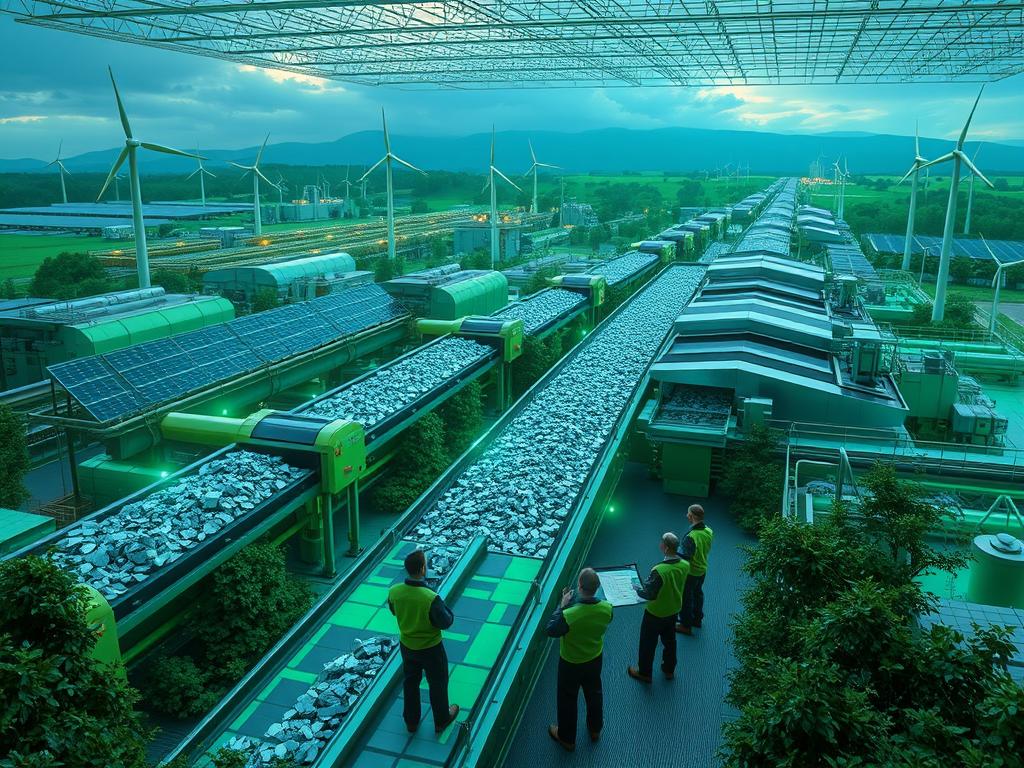
As the world navigates the dual challenges of economic growth and environmental responsibility, recycled aluminum emerges as a leader in sustainable industrial practices. The global aluminum recycling market is anticipated to skyrocket to a staggering $91.3 billion by 2032, echoing the global shift towards greener, more sustainable material sources. This growth reflects a transformative era in the metal supply chain, driven by the urgent need to curb energy expenditures and achieve ambitious decarbonization targets.
The forecasted expansion, at a respectable CAGR of 6.2%, marks more than just a financial upturn; it is a beacon of industrial evolution. Modern industries are increasingly oriented toward eco-friendly practices, and aluminum recycling offers an effective way to reduce carbon footprints while still providing essential materials for manufacturing. This structural shift signifies an embrace of circular economies, where material life cycles are extended, reducing the need for fresh resource extraction and its associated environmental costs.
At the core of this anticipated growth is the energy efficiency of recycling processes compared to traditional metal production. Producing aluminum from recycled sources requires significantly less energy, reducing dependency on fossil fuels and minimizing greenhouse gas emissions. Consequently, industrial players are keenly adopting recycled materials as part of broader strategies to meet regulatory requirements and consumer expectations for environmentally conscious operations.
While the economic benefits are clear, there are considerable challenges ahead. The sector must innovate in improving collection and processing technologies to handle the increasing demand efficiently. Ensuring a consistent supply of scrap aluminum and developing new methods to enhance the purity and quality of the recycled product will be critical to sustaining growth. Moreover, regulatory bodies and policymakers will need to support these efforts by creating frameworks conducive to recycling expansion and investment.
In conclusion, the impending boom in the recycled aluminum market is not merely a commercial opportunity but a pivotal moment in global sustainability efforts. It underscores a paradigm shift towards circular industrial practices and emphasizes the importance of innovative solutions in overcoming environmental challenges. As industries rally to integrate sustainable materials into their operations, recycled aluminum stands at the forefront, offering a compelling model of how industry can adapt to ensure both economic and ecological viability.