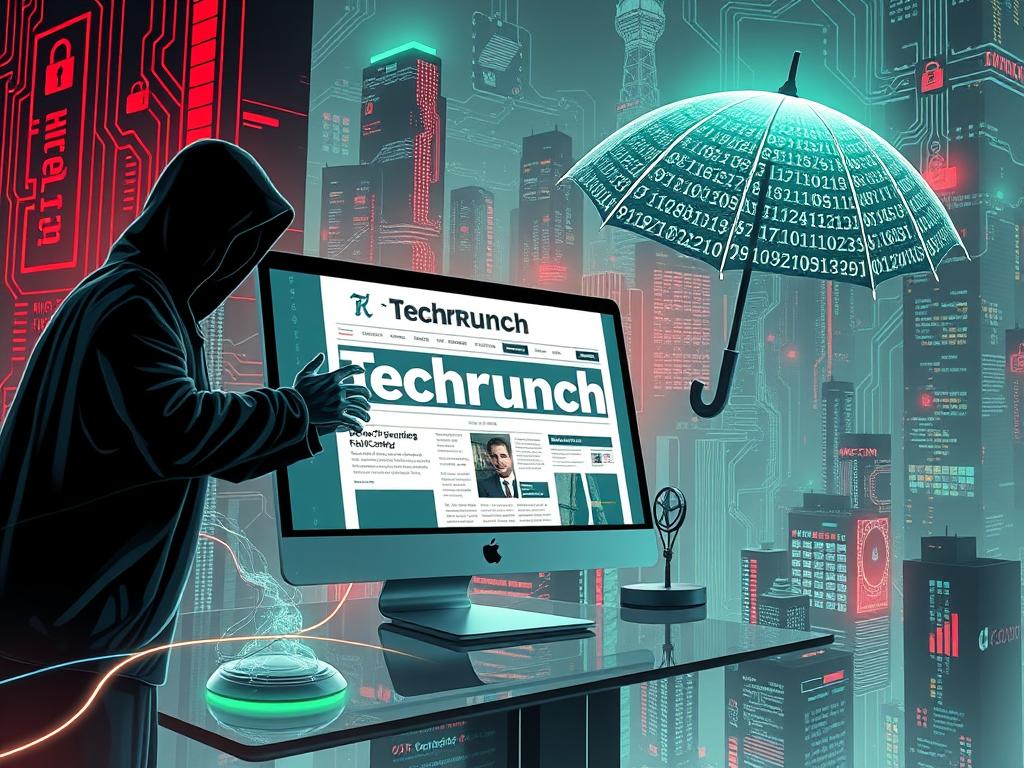
In the intricate digital maze where businesses and media interact, a new threat has been emerging: the rise of impersonators mimicking reputable news outlets like TechCrunch. These impersonators aim to exploit the trust businesses place in well-known media sources, creating chaos and potentially harming the reputations and operations of those targeted. This situation highlights the need for businesses to remain vigilant and discerning, even when the outreach appears to originate from a trusted source.
Many companies, typically eager to engage with credible media, find themselves ensnared by these fraudulent tactics. The scammers create misleading communications that appear to be official outreach from TechCrunch, complete with realistic branding and language. The objective often revolves around extracting money, confidential data, or gaining unauthorized access to corporate networks. With technology capable of duping even seasoned experts, these impersonators embolden their schemes with precision and audacity.
The proliferation of such deceptive practices invites a larger conversation about digital security and corporate responsibility. Businesses must not only educate their teams about the potential risks of cyber scams but also implement stringent verification processes. Simple steps, such as directly contacting the media outlet through official channels to verify any requests, can dismantle the fraudsters’ schemes before any damage is done.
The consequences of falling prey to these scams are far-reaching. Besides the immediate financial losses and potential data breaches, companies risk enduring reputational damage. This underscores the importance of not underestimating the ingenuity of cybercriminals, who constantly refine their methods to bypass security measures and prey on the unsuspecting. Companies, regardless of their size, must prioritize cybersecurity as a core component of their business strategy.
In conclusion, as digital landscapes evolve, so do the methods used by those with malicious intent. The impersonation of esteemed media outlets is a stark reminder of the sophisticated tactics employed by cybercriminals. Businesses must remain proactive, employing both technological defenses and human vigilance to protect their interests. As the saying goes, trust but verify—this approach could very well be the line of defense that prevents catastrophe in an age where appearances can be deceiving.