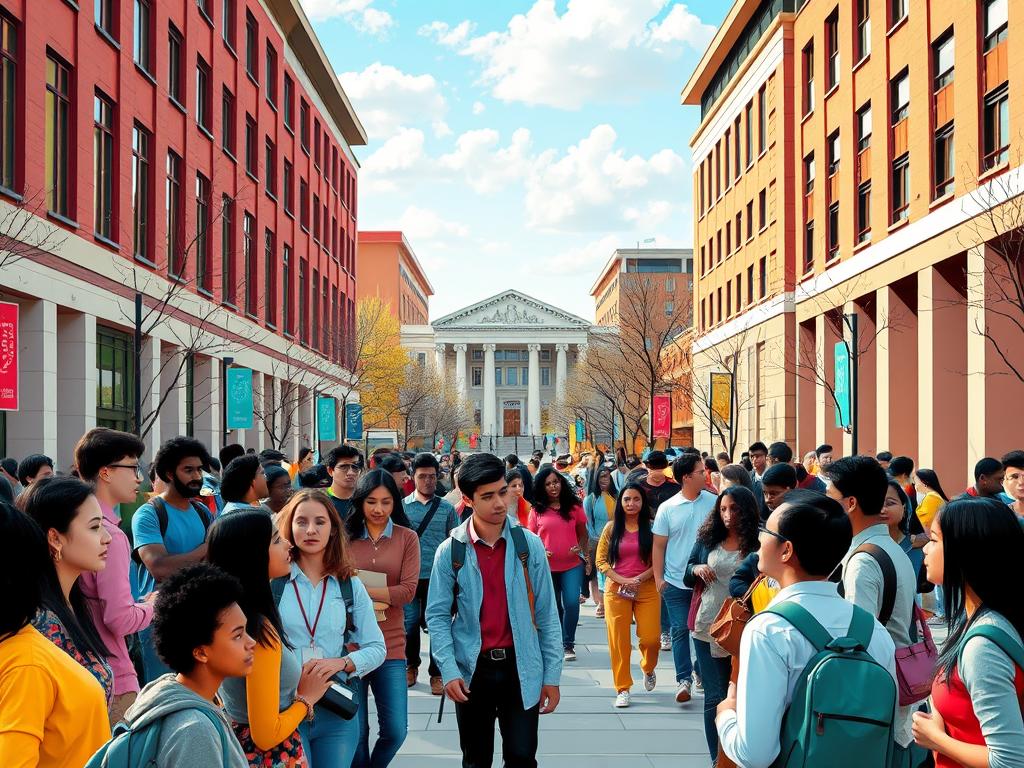
In the vibrant world of campus life, where intellectual exploration often meets burgeoning activism, student politics plays a crucial role. It’s a testing ground for democratic engagement, offering young leaders a stage upon which to channel their energies toward effectuating change. However, as empowering as these experiences can be, there exists a growing need for caution and prudence as essential components of this political education.
Many students dive headfirst into politics with unbridled enthusiasm, eager to voice their opinions and lead change. While passion is the lifeblood of any political movement, it can also blind students to the complexities and potential pitfalls inherent in political processes. Unchecked zeal often results in a narrow focus on immediate goals, overlooking the long-term consequences of hasty decisions—a lesson best learned sooner rather than later.
Moreover, the intricate relations and dynamics of college politics can become a minefield for well-intentioned leaders. Issues such as representation, inclusivity, and equity need more than just a loud voice; they require strategic thinking and diplomatic acumen. Missteps in handling these matters not only hinder progress but can adversely affect the very constituencies students aim to represent. Understanding when to act, when to listen, and when to engage in dialogue is a skill that serves well beyond the boundaries of campus life.
There’s an educational opportunity in teaching students how to balance conviction with caution. Workshops, mentorship, and real-world simulations could offer valuable insights into navigating a political landscape that mirrors the complexities of the broader world. By understanding not only what they stand for but also how to advocate effectively, students can prepare themselves for the inevitable challenges of public life that await beyond the university gates.
As we observe the unfolding narratives of student politics across various campuses, it becomes clear that the real test lies not in passionately shouting from the rooftops but in the thoughtful construction of pathways for sustainable change. By instilling prudence and strategic thinking in young leaders, we prepare them to become more than just participants in democracy—they become its stewards. Such leadership, cultivated in the microcosm of student politics, promises a brighter, more considered approach to the politics of tomorrow.