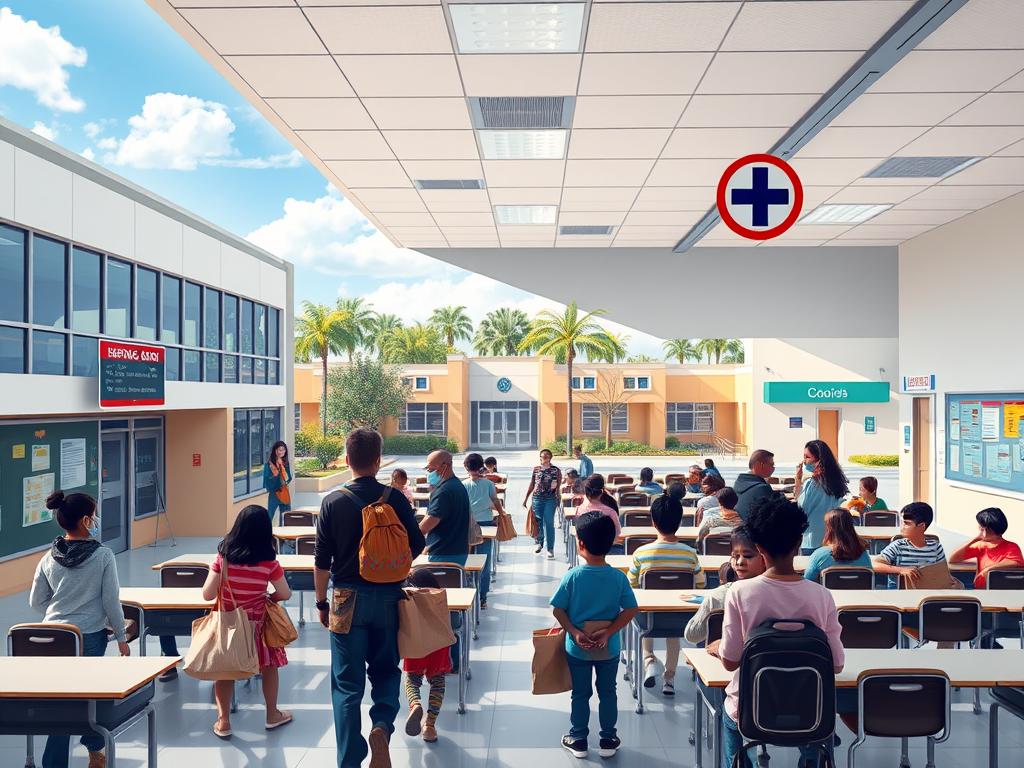
The American educational landscape is experiencing a notable shift as schools from Miami to San Diego report significant declines in student enrollment from immigrant families. This emerging trend raises questions about the multitude of factors influencing these numbers and what it might mean for the broader community and educational system in the United States.
Various elements contribute to this downturn, with immigration policy changes playing a crucial role. Stricter immigration regulations and a heightened sense of uncertainty have potentially deterred immigrant families from settling in areas where they perceive less stability and support. This ripple effect touches not only urban centers traditionally known for their diverse populations, but also extends to suburban and rural schools.
Another critical aspect is the economic impact on families who have faced job losses or reduced income due to the global pandemic. As households struggle financially, relocating closer to extended family or more affordable living conditions often takes precedence. This movement can lead to reduced school enrollment figures as families reorganize their priorities in economically feasible locations.
The implications for educational institutions are significant. Declining enrollment can affect funding, as public schools often rely on headcount for financial resources. Schools must therefore adapt by finding innovative ways to support not only their existing population but also consider strategies to re-engage absent demographics. The focus on inclusion and outreach must be intensified, ensuring that education remains accessible and appealing to all families, irrespective of their backgrounds.
As educators and policymakers navigate these changes, it is imperative to recognize the complex dynamics at play. Building welcoming and supportive school environments, fostering community partnerships, and advocating for policies that enable family security will collectively contribute to a reversal of enrollment declines. In understanding and addressing the nuanced needs of immigrant families, American schools can transform this challenge into an opportunity for greater inclusivity and resilience.