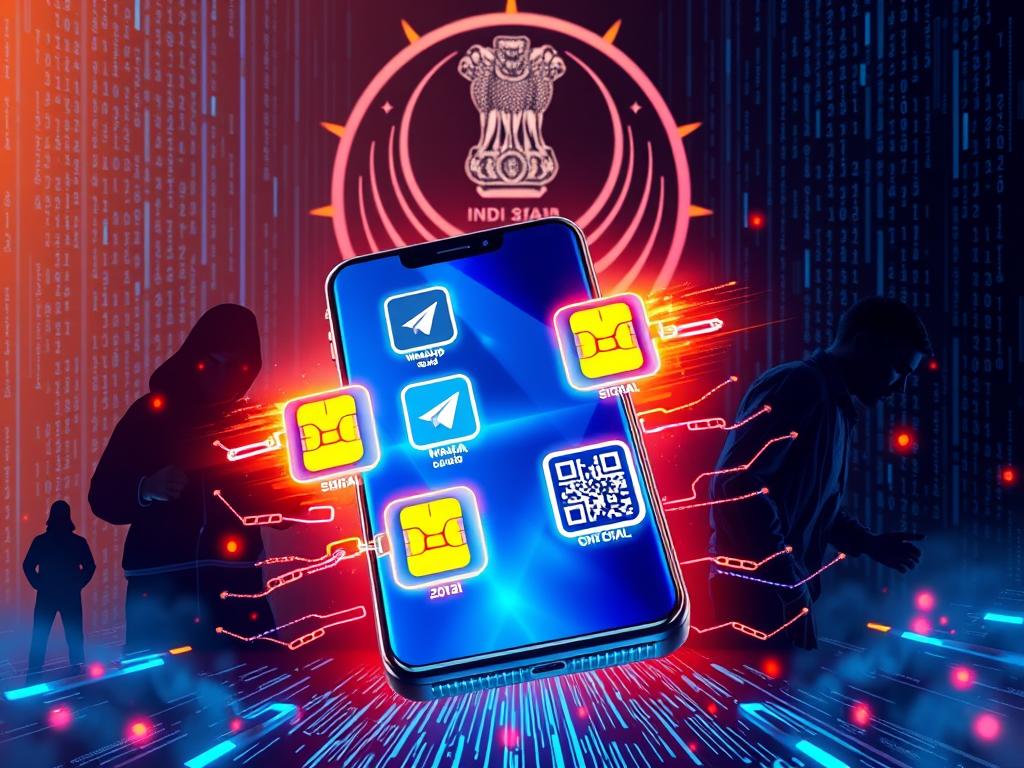
The Indian government’s recent directive to link active SIM cards to popular messaging apps is making waves across the digital landscape. This sweeping regulation aims to add a layer of security to apps like WhatsApp, Telegram, and Signal by mandating continuous SIM verification. Under the new Telecommunication Cybersecurity Amendment Rules, 2025, the government seeks to emulate telecom-style regulations for app-based communications, ensuring that users maintain an active SIM connection with these platforms at all times.
At first glance, this measure seems to tackle a glaring vulnerability. Many messaging apps only require an initial verification upon installation, after which they operate independently of the SIM card. This loophole has long been exploited by cybercriminals who continue to use the apps for illicit activities, despite changing or deactivating their SIM cards. The proposed rule aims to curb such misuse by insisting on a persistent link between the user, their mobile number, and their device, thereby potentially reducing the incidents of fraud and digital scams.
The practicality of this move, however, is hotly debated. While the requirement for SIM-binding could bolster accountability, it may not fully deter determined cybercriminals who exploit more sophisticated methods, such as using fake or anonymous SIM cards. Critics also argue that this stringent measure could inadvertently inconvenience legitimate users. For those relying on web browsers to access these platforms, the new rules introduce an extra hurdle—compulsory logouts every six hours, followed by a QR code login—to keep the session tied to an active SIM.
Despite its potential drawbacks, the government’s regulations align with security practices in other sectors. Banking apps already employ strict SIM checks to ensure authorized transactions, and this precedent might be informative for messaging platforms striving for similar levels of security. Proponents of the initiative claim that reinforcing mobile numbers as strong digital identities could enhance cybersecurity and mitigate online fraud, particularly as mobile devices continue to play a central role in users’ digital interactions.
While the effectiveness of the new regulations remains to be seen, the discourse they have sparked is crucial. Balancing security with user experience will be key to the success of these measures. If executed thoughtfully, linking SIM cards to messaging apps could indeed fortify the digital ecosystem against fraud and misuse. However, crafting policies that uphold security without stifling users’ digital freedom will require ongoing dialogue and adjustment. As the debate unfolds, one thing remains clear: ensuring safe and secure digital communications is a shared responsibility, demanding innovation and cooperation across sectors.