






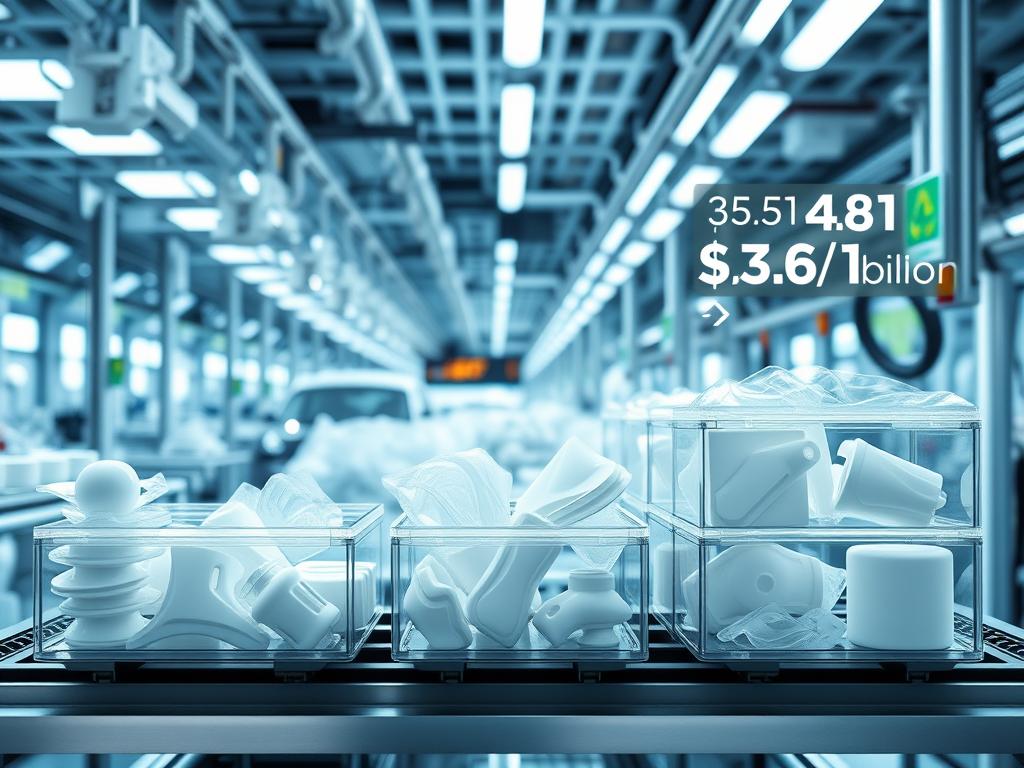
The automotive industry, renowned for its constant state of evolution, is now embracing a new trend that promises to enhance efficiency and sustainability: thermoformed plastic parts packaging. Recent projections show significant growth in the North American market for these packaging solutions, pointing to a remarkable future. By 2034, the market is expected to swell from $2.69 billion in 2026 to an impressive $3.61 billion. This expansion represents a robust compound annual growth rate (CAGR) of 3.75% from 2025 to 2034, a testament to the increasing reliance on these innovative materials.
Thermoforming, a process of shaping plastic under heat and pressure, offers numerous advantages that cater well to the automotive sector. These parts are lightweight yet durable, an essential feature for components that must withstand the rigors of transport while reducing overall vehicle weight for enhanced fuel efficiency. As automakers strive to meet stringent environmental regulations and consumer demands for greener vehicles, the use of thermoformed plastics is becoming an attractive solution.
An intriguing facet of this trend is its potential to transform packaging norms within the industry. Traditionally, the packaging of automotive parts has involved heavier materials such as metals or thicker plastic. However, thermoformed plastics introduce an opportunity to drastically cut down on material use and waste. This aligns perfectly with broader global movements towards sustainability and the circular economy, where minimizing environmental impact becomes as critical as financial profitability.
The projected growth of this market segment also reflects a shift in technological capabilities and innovations within the industry. Advancements in polymers and thermoforming techniques are enabling manufacturers to produce highly customized, precision parts that fit the unique contours and specifications of different automotive models. This customization not only enhances performance but also adds considerable value to manufacturers and consumers alike, making these plastics integral to future design and production strategies.
In conclusion, as we look to the future of the automotive industry in North America, thermoformed plastic parts packaging stands out as a beacon of innovation. It offers a promising path toward more resource-efficient, environmentally conscious manufacturing practices. As the market expands, it will be essential for stakeholders across the automotive supply chain to adapt and leverage these technologies. Doing so will not only support market growth but also contribute to a sustainable automotive ecosystem that benefits everyone involved from manufacturers to consumers.