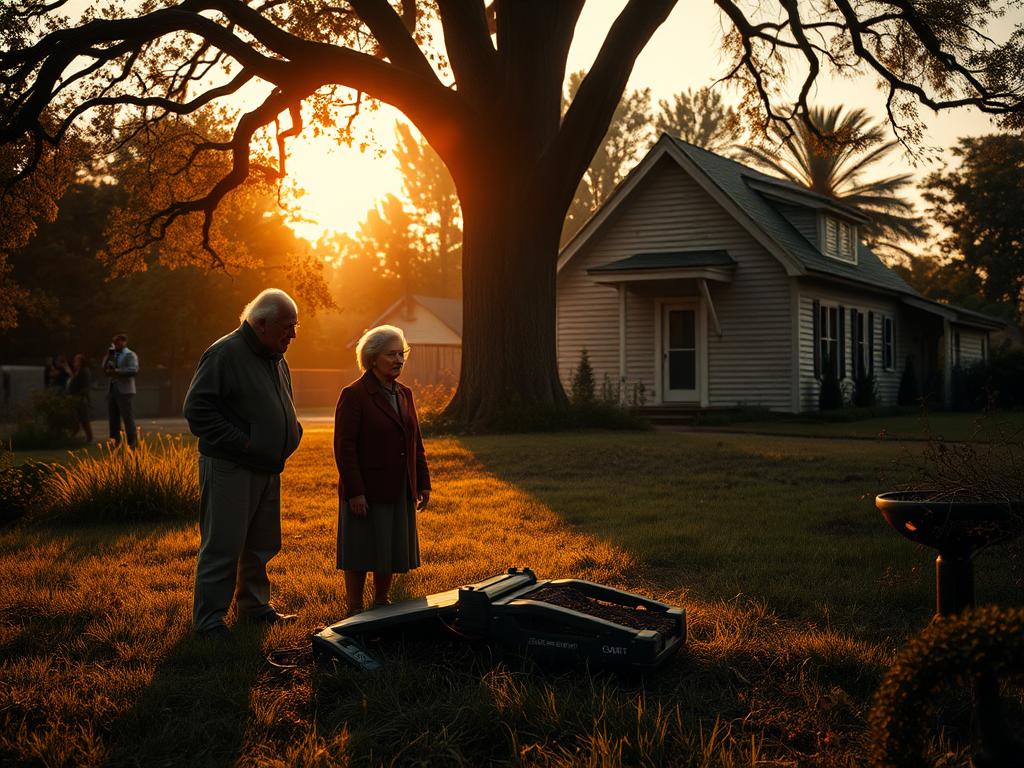
The heart-wrenching story of Muriel McKay, kidnapped for ransom in 1969, has resurfaced with a poignant new bid from her family. They are seeking permission to scan the garden of a property linked to her tragic story, hoping to finally recover her remains after decades of unanswered questions. This initiative is driven by an enduring hope for closure and the simple desire to bring Muriel home at last—a sentiment that resonates with anyone who has yearned for resolution in the aftermath of loss.
Muriel’s abduction, mistaken for that of media mogul Rupert Murdoch’s wife, turned the family’s world upside down. The misguided criminals, who sought financial gain, ended their ploy with a murder that left the McKay family in perpetual mourning. The recent push to investigate the garden for her remains conjures the painful memories of that era, reminding the public of a time when kidnapping cases were rare, yet horrifying occurrences.
This endeavor also highlights a broader societal issue: the psychological and emotional toll unresolved cases inflict on remaining family members. The McKays’ determination to seek out every possible avenue for closure after over fifty years underscores the enduring impact of such tragedies. It also sheds light on the lengths to which families will go to reconcile with the past experiences that continue to haunt their present.
Furthermore, the advancement in forensic technology provides a sliver of hope in cases like Muriel’s. With today’s non-invasive methods like ground-penetrating radar, there is a possibility of finding answers without causing additional grief or destruction. Law enforcement and forensic experts have tools unimaginable in the 1960s, potentially offering breakthroughs in cases previously deemed intractable.
The McKay family’s bid to scan the garden encapsulates a profound human desire for reconciliation and peace. In lending their energy to this poignant search, they highlight an undeniable truth: the grief of those left behind does not diminish with time. It only becomes more urgent. As they continue their quest to bring Muriel McKay home, they remind us all of the importance of persistence, remembrance, and the human yearning for closure and justice.