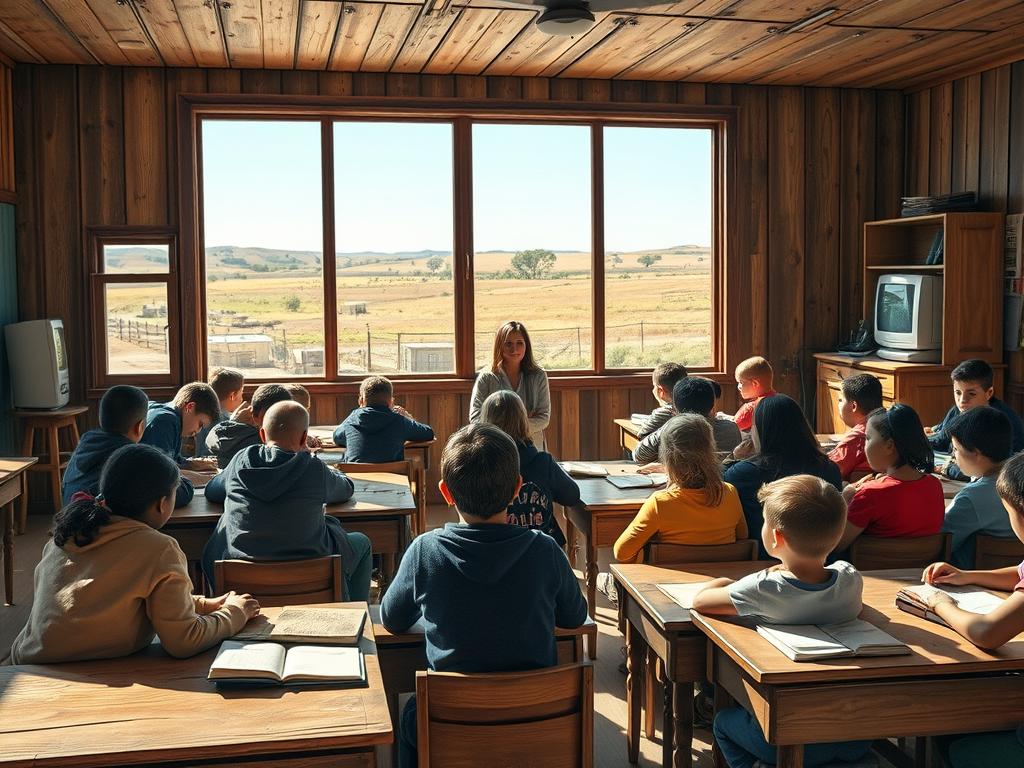
In recent discussions surrounding Colorado’s public education system, rural voters have emerged as significant voices of dissent. A majority believe that the educational trajectory is far from ideal, according to polling data unveiled last week. These concerns are not just expressions of dissatisfaction but come paired with suggestions for pivotal reforms. The critical eye of rural communities offers a lens into broader issues that might soon demand the attention of policymakers statewide.
Rural voters’ discontent with Colorado’s public schools centers primarily on resource allocation and curriculum relevance. Many residents feel that rural districts are starkly underfunded compared to their urban counterparts, creating an uneven playing field for students. This funding gap often translates into larger class sizes, outdated materials, and insufficient support for teachers. Moreover, the curriculum often reflects urban-centric concerns, leaving rural students ill-prepared for local industrial prospects and lifestyle.
Another resonating issue among rural communities is the lack of technological integration in their educational experience. While urban districts swiftly adapt to digital learning tools, rural schools lag due to poor infrastructure and limited access to high-speed internet. This digital divide has become even more pronounced in recent years as remote learning and tech-savvy instructional methods grow increasingly prevalent. Addressing this issue means investing not only in internet access but also in teacher training and digital resources.
Parental involvement emerges as a strong theme in the calls for change. Rural voters express a desire for more engagement opportunities, believing that active participation in their children’s education is key to student’s success. This might mean more community-driven schools, where decision-making is more localized and reflects the unique needs and values of the community. Enhancing parental involvement should be viewed as a cornerstone for reform, particularly in areas where government mandates may not resonate with local necessities.
In conclusion, the concerns of rural voters in Colorado regarding the state’s public education system are complex and multifaceted but offer a roadmap for potential improvements. By addressing issues such as equitable funding, curriculum relevance, technological access, and parental involvement, Colorado can work to ensure that its education system serves all students effectively. Listening to the voices from rural areas can illuminate paths forward, balancing the scales between urban and rural educational experiences.