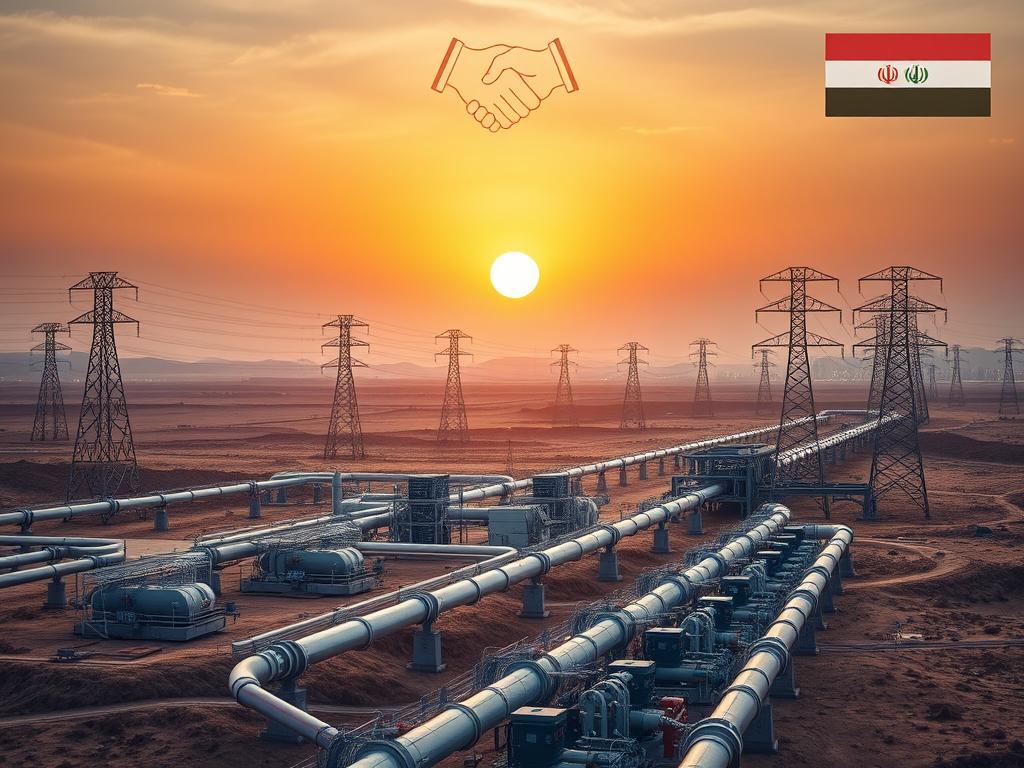
In a move poised to alleviate Iraq’s persistent power shortages, the Iraqi Ministry of Electricity has announced the resumption of natural gas imports from Iran. This development comes after a brief halt caused by essential maintenance work. As of now, Iran is supplying Iraq with five million cubic meters of gas daily, a significant injection to the country’s electricity grid. The restart of this gas flow not only signifies a crucial energy partnership between the two nations but also represents a step towards stabilizing Iraq’s energy infrastructure.
The reliance on Iranian gas isn’t merely a choice but a strategic necessity for Iraq, where energy needs have been outstripping the supply for years. Despite its massive oil reserves, Iraq struggles with a chronic power supply deficit, especially during the peak summer months when demand surges. With a burgeoning population and an economy striving for diversification, Iraq’s energy requirements are bound to increase, underscoring the importance of these gas imports for sustaining economic growth and ensuring public welfare.
This renewed gas flow is pivotal for powering Iraq’s electricity plants, which are heavily dependent on Iranian natural gas as a reliable fuel source. Iran’s role as a key energy ally is crucial, not just in terms of providing the much-needed natural gas, but also in supporting Iraq’s broader energy transition goals. As Iraq continues to grapple with aging infrastructure and the need for investment in cleaner energy technologies, partnerships like these are essential for moving the country towards a more resilient energy landscape.
However, the resumption of Iranian gas supply doesn’t come without its challenges. Geopolitical dynamics in the region can often complicate energy agreements, with potential impacts from international sanctions and diplomatic tensions between Iran and other global powers. Despite these hurdles, Iraq’s decision reflects a pragmatic approach to securing energy resources while navigating complex international relations and local energy demands.
In conclusion, the restoration of Iranian gas imports marks a significant development in Iraq’s ongoing quest for energy security and efficiency. By reinforcing its energy ties with Iran, Iraq is not only addressing immediate electricity needs but also laying groundwork for longer-term strategic energy planning. As the countries work together to ensure uninterrupted power supply, this collaboration could serve as a model for other resource-dependent nations facing similar challenges, demonstrating the power of regional energy cooperation in a world increasingly focused on energy sustainability.