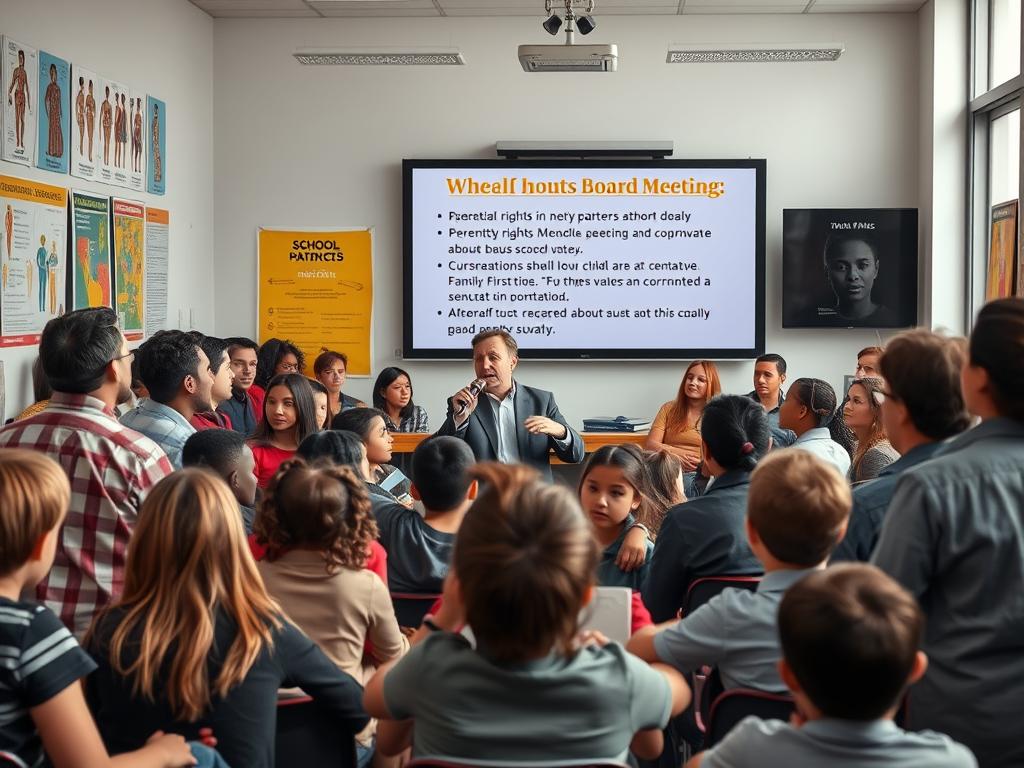
The classroom has always been a battleground for cultural ideas, and the latest controversy at Renmark School highlights the friction between educational content and parental rights. A scheduled class, which raised eyebrows among parents due to its unusual content about bestiality within a broader discussion of human sexuality, has sparked public outcry. This episode has brought a renewed focus on what information should be disclosed to parents, specifically concerning radical educational agendas and how they intersect with social and moral values.
As this incident gains traction, Family First, a political party focused on conservative values, proposes new legislation to bolster parental rights. At the heart of their legislative proposal is the assurance that parents are informed and have a say in the educational narratives presented to their children, especially those considered radical or controversial. Family First aims to provide parents with greater oversight, contending that transparency is key to trust between schools and families.
The debate over curricula that include discussions of gender identity and sexuality is not new, but the intensity has been ratcheted up by the Renmark incident. Advocates for parental rights argue that without adequate disclosure, schools bypass a crucial partnership with families. This, they claim, ultimately undermines the family’s role in shaping the child’s moral and social framework. On the opposite side, proponents for a more progressive curriculum argue that comprehensive education about all facets of human diversity prepares students for the real world.
In considering the broader implications, it’s crucial to balance the need for educational freedom with respect for diverse parental values. Legislators exploring policies like those Family First proposes face the challenge of crafting rules that protect parental rights without stifling educational innovation or the rights of other students who come from different backgrounds or worldviews. The key lies in finding a middle ground that respects the role of both educators and parents while prioritizing the interests of the student.
Renmark School’s controversy is a reflection of larger societal shifts and the ever-evolving dialogue about who gets to decide what is taught in schools. While it’s clear that parents want a say in their children’s education, how this input is balanced with progressive teaching remains a contentious yet crucial conversation. In the end, whether through legislative change or community dialogue, the goal should be an equitable approach that respects all voices involved in a child’s education.