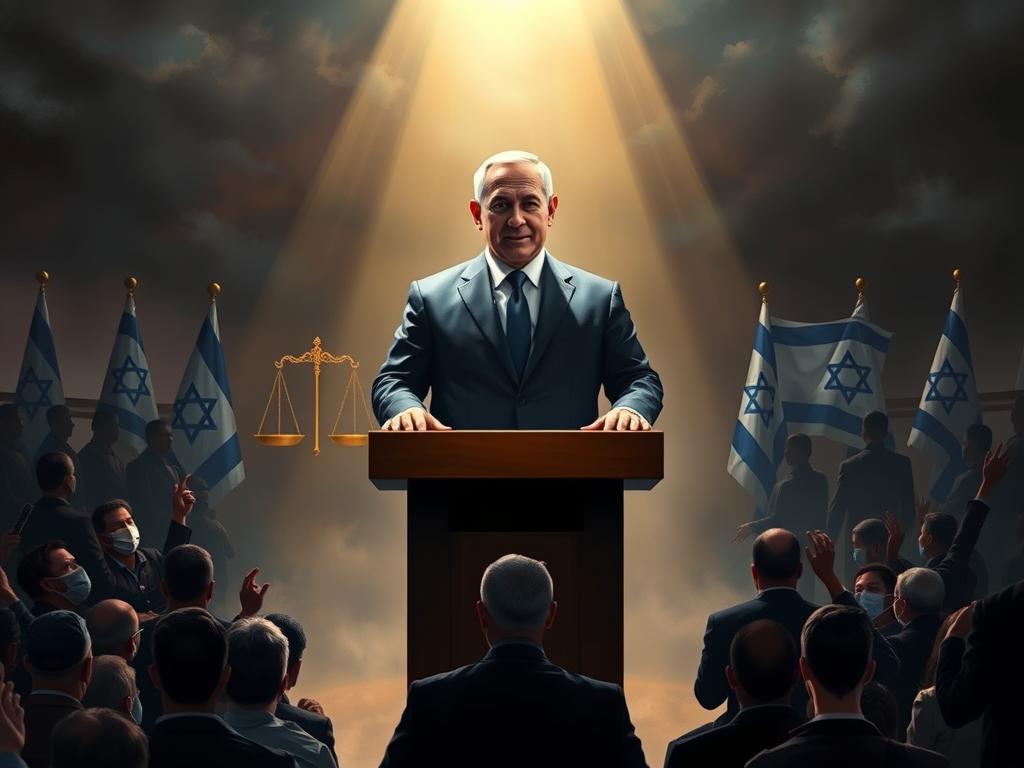
Israel’s political landscape has been shaken by former Prime Minister Benjamin Netanyahu’s unexpected request for a presidential pardon amidst his ongoing corruption trial. The situation is as much about legal intricacies as it is about political maneuvering. Netanyahu, who served as Israel’s leader for over a decade, faces charges of bribery, fraud, and breach of trust. His plea for clemency introduces a new chapter in his legal saga, one that could redefine the boundaries of legal precedent and political influence in Israel.
From a legal perspective, Netanyahu’s request heightens the stakes of his ongoing trial. Pardons are typically granted post-conviction, which means that his asking for clemency at this premature stage could set a controversial judicial precedent. If granted, such a pardon might suggest an implicit admission of guilt or, conversely, a statement of confidence in the legal argument of innocence pending appeal. This delicate balance carries risks for both Netanyahu’s reputation and the judiciary’s perceived impartiality.
Politically, the fallout from Netanyahu’s pardon plea could be significant. While his supporters remain loyal, viewing him as a victim of politically motivated prosecution, his critics perceive the pardon request as a strategy to evade accountability. This divide may further polarize Israeli politics, influencing upcoming elections and the policy stances of key political players. Netanyahu’s decision could, hence, realign allegiances and shift momentum within his Likud party and beyond.
What happens next hinges on several factors: public response, the President of Israel’s discretion, and the broader political climate. The President, who holds the power to grant or deny pardons, faces the difficult task of weighing legal fairness against public opinion and potential political fallout. Meanwhile, the public’s reaction, which could range from outrage to support, will undoubtedly affect the broader political context and Netanyahu’s legacy.
In conclusion, Netanyahu’s pardon plea opens a Pandora’s box of ethical and political dilemmas. While the legal community watches with bated breath to assess the potential implications on Israel’s judicial framework, the political world braces for the ripple effects in a nation already fraught with division. Ultimately, the outcome of this pardon request has the power to change the course of Israeli politics and could serve as a case study in the interplay between law and leadership.