In an evolving urban landscape like Vancouver, real estate developers find themselves at a crossroads, teetering between burgeoning market demands and the constraints of public policy. The city’s commercial real estate sector, once a beacon of growth and investment, now faces unexpected headwinds that challenge the viability of new projects. Various factors contribute to this unfolding drama, with repercussions for developers, investors, and citizens alike.
Market dynamics, notably fluctuating interest rates and inflation, are reshaping the economics of real estate projects. High borrowing costs have knocked the wind out of many developers’ sails, turning what was once a brisk walk in the park into an uphill marathon. As financial models get re-evaluated, some projects stall, while others dissolve into wishful blueprints. The ripples of these market shifts are felt beyond developers, affecting construction workers and ancillary industries dependent on a thriving real estate market.
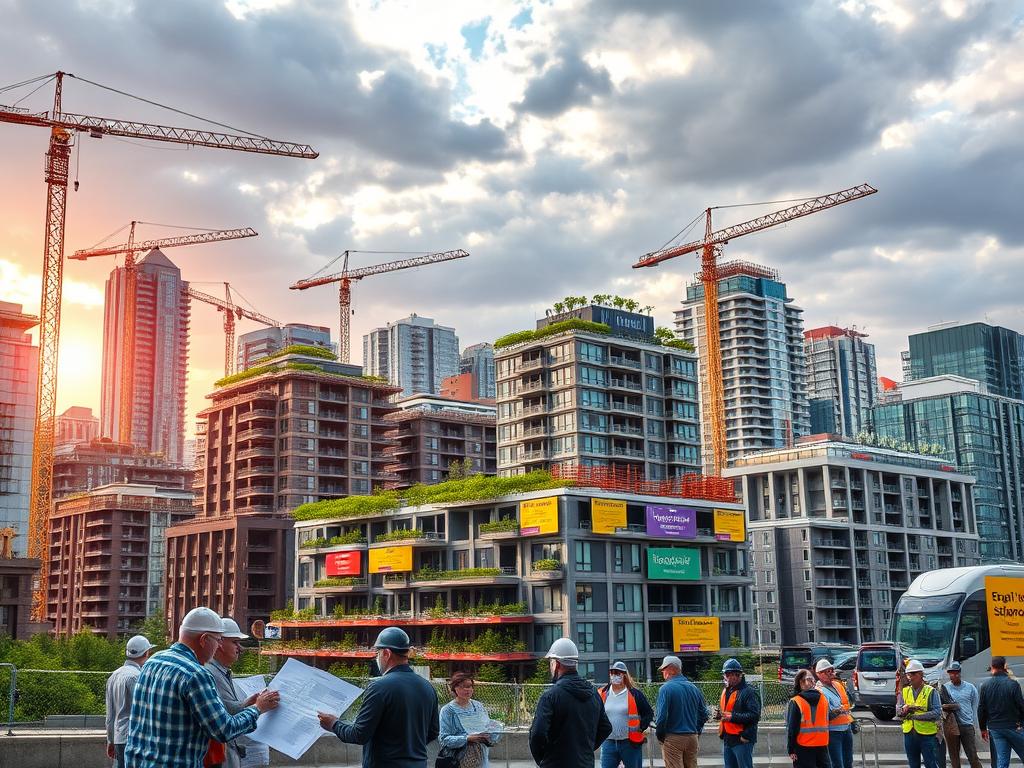
Meanwhile, city policies aimed at balancing growth with sustainability have added another layer of complexity. While regulations are crucial to ensure quality of life and environmental protection, the red tape has often led to delays and increased costs. Mandatory requirements for green spaces, affordable housing, and infrastructure improvements are noble, yet they strain resources and budget projections. Developers, therefore, find themselves negotiating a tricky path, attempting to align their objectives with community expectations and regulatory demands.
Looking forward, developers must adopt innovative strategies to turn adversity into opportunity. This might entail rethinking design concepts to focus on sustainable, mixed-use developments that align with municipal goals. Leveraging technology to reduce construction costs and optimize project management could also offer a new lease of life to struggling projects. Collaboration is key; engaging with local governments and communities to find common ground can lead to equitable outcomes benefiting all stakeholders.
In conclusion, while the current climate presents significant challenges for Vancouver’s commercial real estate developers, it also heralds a period of transformation and growth. By embracing change, prioritizing sustainability, and fostering partnerships, the sector can rise above these challenges. Ultimately, the success of real estate developments in Vancouver will reflect not just economic resilience but also innovative adaptability to a fast-changing world.