





The allure of nature is a universal call that many of us feel. The rustle of leaves in the gentle breeze, the scent of earth after a fresh rain, and the breathtaking views from a mountain summit offer a sense of peace and connection that is hard to find anywhere else. However, for individuals living with disabilities, answering this call is often fraught with challenges. While hiking and outdoor exploration confer numerous mental and physical benefits, from reducing stress levels to improving physical health, the path to these experiences is not always accessible for everyone.
Across Australia, the landscape is dotted with natural wonders that beg exploration, yet for those with mobility impairments, visual or hearing disabilities, merely contemplating a venture into the wild can feel overwhelming. Many trails still lack the necessary accommodations such as tactile guidance systems for the visually impaired, ramps, or even clear, reliable information about accessibility levels. These challenges can prevent many from embarking on what could be life-enhancing outdoor activities.
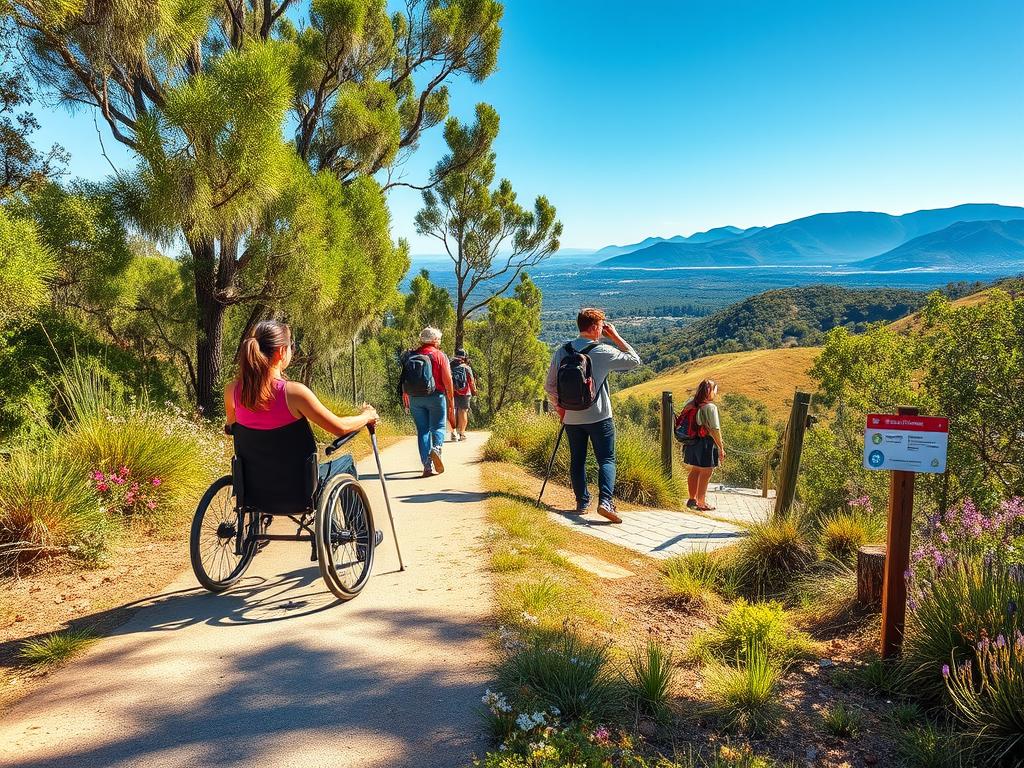
Despite these hurdles, there is a growing movement within both communities and organizations to bridge the gap. Adaptive equipment has started to transform the way people with disabilities experience the outdoors. All-terrain wheelchairs and mobility aids have opened up previously inaccessible paths, while initiatives that provide clear, accessible trail guides and maps are facilitating better planning for adventurers with disabilities and their companions.
The mental health benefits of nature are well documented for all, but they can be especially poignant for those facing daily challenges associated with their disabilities. Engaging with nature not only promotes physical health and reduces symptoms of anxiety and depression but also fosters a sense of autonomy and empowerment. When trails are made inclusive, the resultant diverse blend of people does more than just share a space: it celebrates human resilience and collaboration.
In conclusion, unlocking nature’s joys for people with disabilities is more than a matter of constructing physical pathways. It’s a testament to a societal commitment to inclusivity and a recognition of the intrinsic right for all individuals to experience the restorative power of nature. As we continue to innovate and advocate for accessibility, we move closer to a future where everyone can enjoy the serenity and beauty of the natural world, regardless of their physical condition.