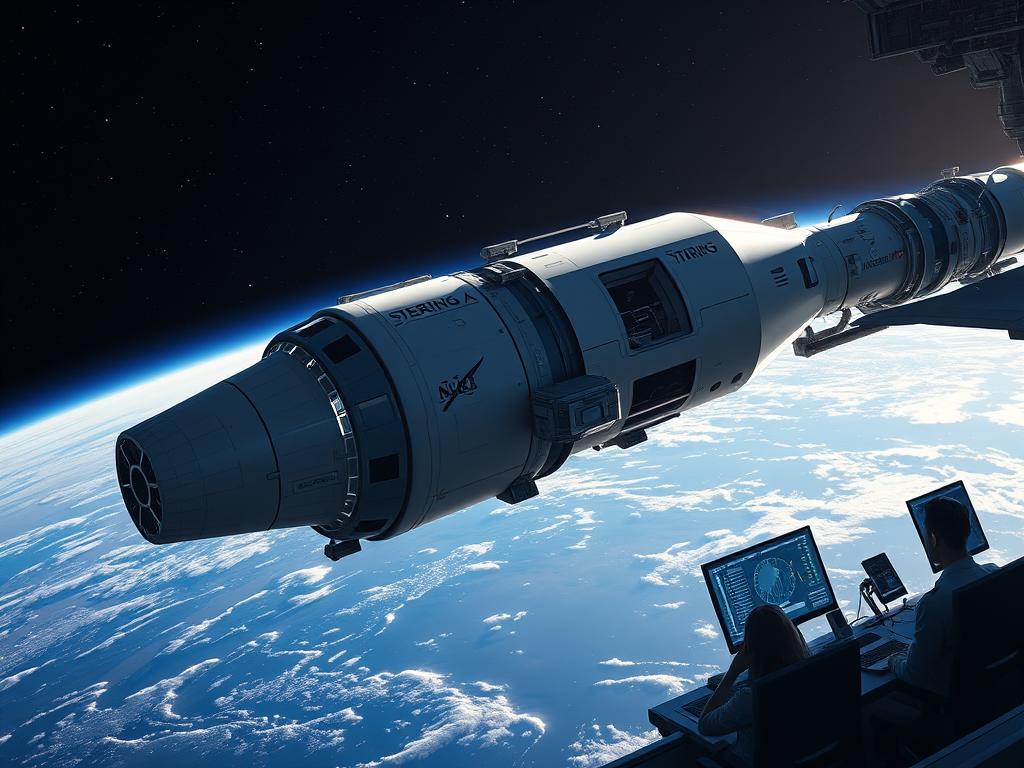
In a strategic recalibration, NASA has decided to pivot its approach towards Boeing’s Starliner missions. After a series of challenges faced during the crewed test flight to the International Space Station (ISS), NASA is opting to shift its focus. By 2026, the program is slated to emphasize uncrewed cargo missions instead of transporting astronauts. This move marks a significant change in direction, signaling NASA’s cautious commitment to safety and reliability.
Boeing’s Starliner program has experienced its share of obstacles, from delayed launches to software glitches, all of which have culminated in a critical reassessment by NASA. The agency’s decision to reduce the number of crewed missions indicates an imperative to bolster the spacecraft’s dependability before risking astronaut lives. Transitioning to cargo-only flights reflects this prudence and allows Boeing to address the technical issues with decreased urgency while still contributing to the ISS mission.
While some might view this as a setback for Boeing, it offers a silver lining. The company now has increased latitude to focus on refining the Starliner without the acute pressures associated with crewed missions. Strong performance in cargo missions could serve as a springboard, potentially reestablishing Starliner’s credibility and setting the stage for future crewed missions with a more robust platform.
This shift also highlights a broader strategy at NASA, where flexibility and adjustment are becoming key aspects of their partnership with commercial spaceflight providers. By scaling back crewed excursions in favor of cargo deliveries, NASA ensures continued progress towards its overarching ISS objectives while providing Boeing with the opportunity to recalibrate and innovate. Such decisions are critical in the dynamic space exploration industry, where the margin for error is narrow.
In conclusion, NASA’s decision to alter its course with the Starliner project underscores the agency’s commitment to both safety and forward-thinking. By taking a step back from crewed missions, NASA and Boeing have the chance to reassess and improve upon current technologies, ensuring that future missions will be conducted with greater security and success. As the space industry grows, adaptability and precision in such strategic decisions will be pivotal in meeting the demands of both today and tomorrow.