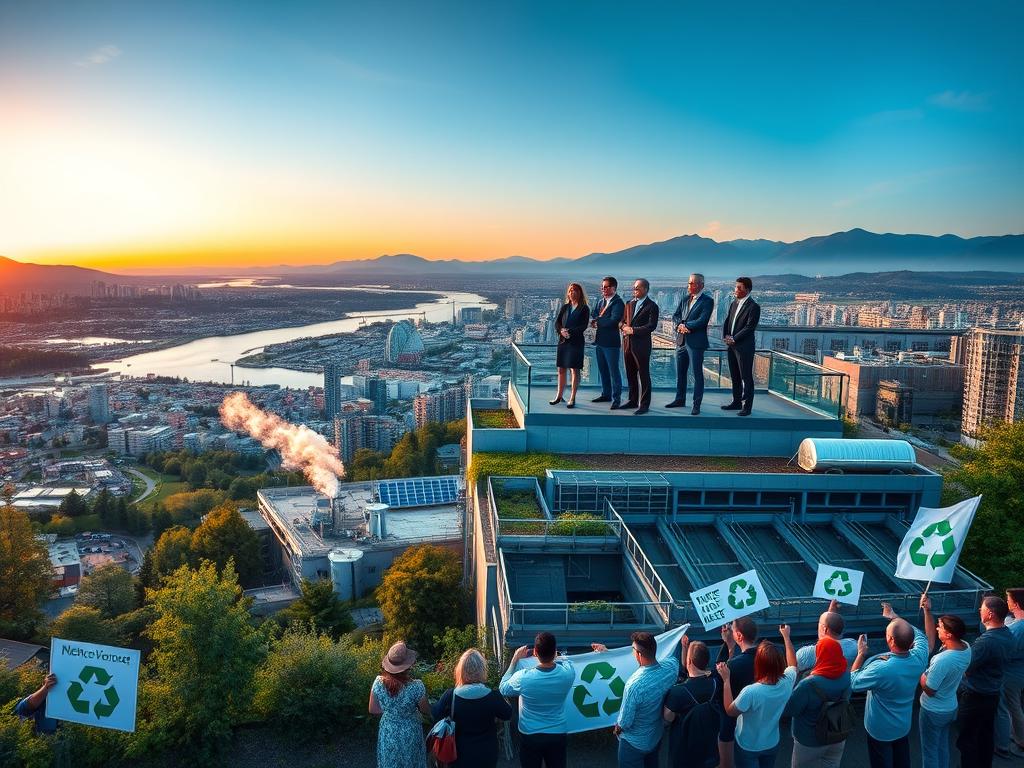
In a bold collective move, councillors from five Metro Vancouver municipalities have issued a public appeal to British Columbia’s premier to reject a contentious liquid waste management proposal in Richmond. This request underscores increasing concerns regarding sustainable waste management practices amidst a rapidly growing urban population. As cities grapple with modern environmental challenges, the efficacy and sustainability of wastewater solutions are more critical than ever.
The proposition in Richmond has sparked significant debate among local leaders and community members, primarily due to its potential environmental impact. The councillors’ plea emphasizes their apprehension about the proposed plan’s ability to meet long-term ecological sustainability goals. With Metro Vancouver encompassing numerous diverse ecosystems, the stakes are high when considering how to handle such a massive undertaking responsibly.
This conflict not only highlights the intricate logistics of waste management on such a grand scale but also brings to the forefront the need for municipalities to collaborate more effectively. There is a pressing need for innovative and eco-friendly approaches that can tackle waste without compromising the health of the region’s environment. The councillors’ request for a reconsideration of the Richmond plan signals their desire to ensure the efficacy of the proposed systems before making lasting commitments.
Beyond environmental concerns, this debate could serve as a catalyst for broader discussions on regional planning. With 21 member municipalities involved, there’s an opportunity to set a precedent for cooperative decision-making that aligns with both local and global sustainability standards. It is crucial that decisions of this magnitude are not only scientifically sound but also socially equitable, enhancing the quality of life for residents across Metro Vancouver.
In conclusion, the Richmond liquid waste plan controversy offers a pivotal moment for Metro Vancouver to rethink its approach to waste management. As councillors continue their call for a rejection of the current plan, the discourse generates a valuable opportunity to steer towards more sustainable and innovative practices. By embracing collective responsibility and investing in green technologies, the region can better safeguard its environmental future while also paving the way as a leader in urban environmental stewardship.