Linguist’s Drive for Social Inclusion Through Language
Understanding the Role of Language in Cultural Inclusivity
The Power of Linguistics in Bridging Cultural Divides
In a world where cultural diversity continues to grow, language stands as both a barrier and a bridge. Language is not merely a tool for communication; it embodies culture, identity, and social connections. Dr. Suzan Makhloof, a noted linguist, emphasizes the critical role of linguistics in fostering cross-cultural understanding and inclusivity. By decoding the nuances of language, she highlights how individuals from diverse backgrounds can come together, fostering a society that values diversity and enhances cooperation.
The Influence of Cross-Cultural Communication in Education
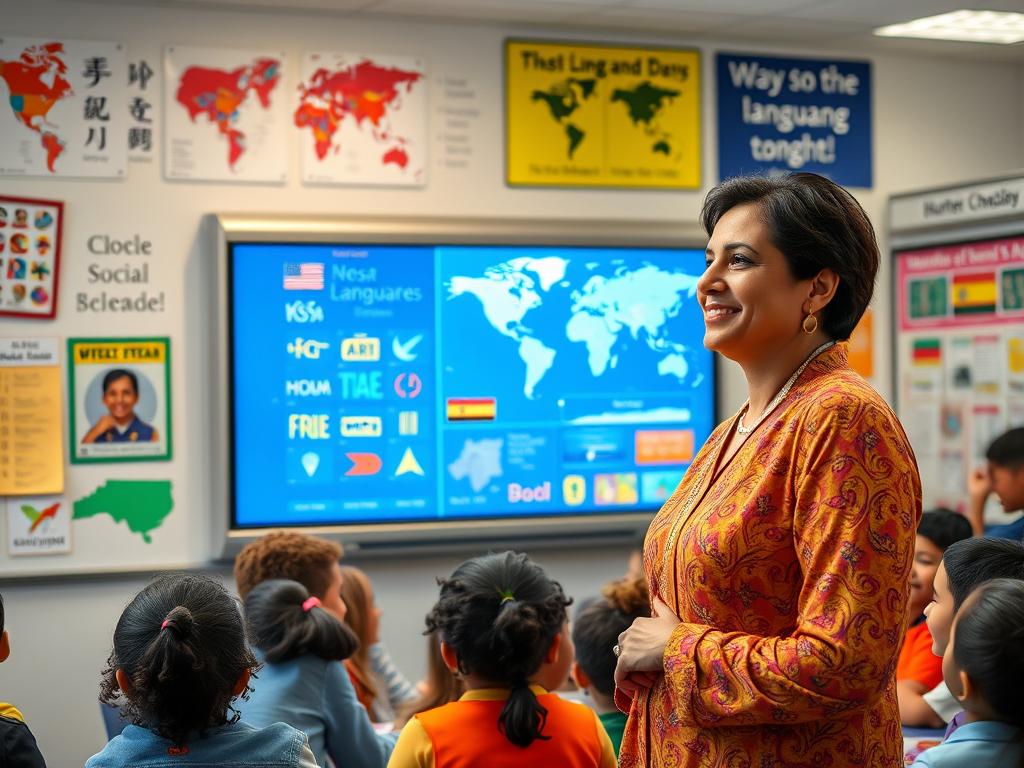
Dr. Makhloof’s work extends beyond theory, manifesting in real educational settings within Hunter schools. Her teaching approach is rooted in cross-cultural communication principles, equipping students from various cultural backgrounds with the requisite skills to interact harmoniously. These educational efforts are crucial, as they prepare a new generation to navigate and contribute positively in an increasingly interconnected world.
Dr. Suzan Makhloof: A Catalyst for Change
A Glittering Career in Linguistics and Education
Dr. Makhloof has had a distinguished career in linguistics and cross-cultural studies, earning accolades for her innovative teaching methods. With numerous publications and awards, her scholarly work has significantly impacted how language education is perceived and implemented, particularly in multicultural settings. Her career trajectory speaks to a commitment not only to academic excellence but also to socio-cultural development.
Innovative Teaching Methods at Hunter Schools
Her teaching philosophy is an amalgamation of various cultural insights, which she brings to the classroom to create an inclusive learning environment. Programs initiated under her guidance often include language immersion experiences and culturally responsive teaching frameworks, which enable students to gain a deeper appreciation for diversity. Through these initiatives, Dr. Makhloof has transformed language learning into a multidimensional exploration of global cultures.
Language as a Tool for Social Inclusion
Breaking Down Language Barriers
Language barriers often lead to social isolation and missed opportunities for integration. Dr. Makhloof deploys language as a tool for dismantling these barriers, advocating for policies and practices that promote multilingualism and language equity. Her efforts contribute towards creating environments where individuals feel included and empowered, irrespective of their native language.
Encouraging Multilingual Education
In a bid to foster inclusivity, Dr. Makhloof champions multilingual education. By encouraging students to learn multiple languages, she not only broadens their communicative competence but also enriches their cultural perspectives. Multilingual education has proven beneficial in boosting cognitive skills and promoting empathy, critical capabilities in today’s diverse society.
The Global Impact of Linguistic Inclusivity
Enhancing Global Cooperation Through Language
Language inclusivity plays a pivotal role in international relations and global cooperation. By nurturing linguistic skills and cultural understanding, we pave the way for improved global interactions. Dr. Makhloof’s work provides a blueprint for other cultures and nations to emulate, advancing the vision of a world united through understanding and respect.
Addressing Global Challenges with Linguistic Solutions
The global challenges facing the 21st century require innovative solutions, many of which are rooted in effective communication. Linguistic inclusivity can address issues such as migration, economic disparity, and social injustice, as it fosters environments where diverse voices can be heard and valued. Dr. Makhloof’s contributions underline the role of linguistics in devising these comprehensive solutions.
Conclusion
Dr. Suzan Makhloof’s work in promoting social inclusion through language education underscores the transformative power of linguistics in today’s world. By focusing on cultural nuances and inclusivity, she has set a precedent for integrating linguistic principles into educational frameworks. Her vision not only enriches individual lives but also fortifies societies, fostering global harmony and cooperation.
FAQ Section
How does language contribute to cultural identity?
Language shapes our worldview and is a cornerstone of cultural identity. It reflects cultural norms, values, and traditions, fostering a sense of belonging and community.
What are the benefits of multilingual education?
Multilingual education enhances cognitive abilities, boosts academic performance, and cultivates understanding and empathy among different cultures.
How can linguistic education promote social inclusion?
By dismantling language barriers and promoting communicative competence, linguistic education fosters environments of inclusivity and reduces social isolation.
What is the role of linguistics in addressing global challenges?
Linguistics can provide solutions for challenges like migration and social integration by promoting effective communication and understanding across cultures.