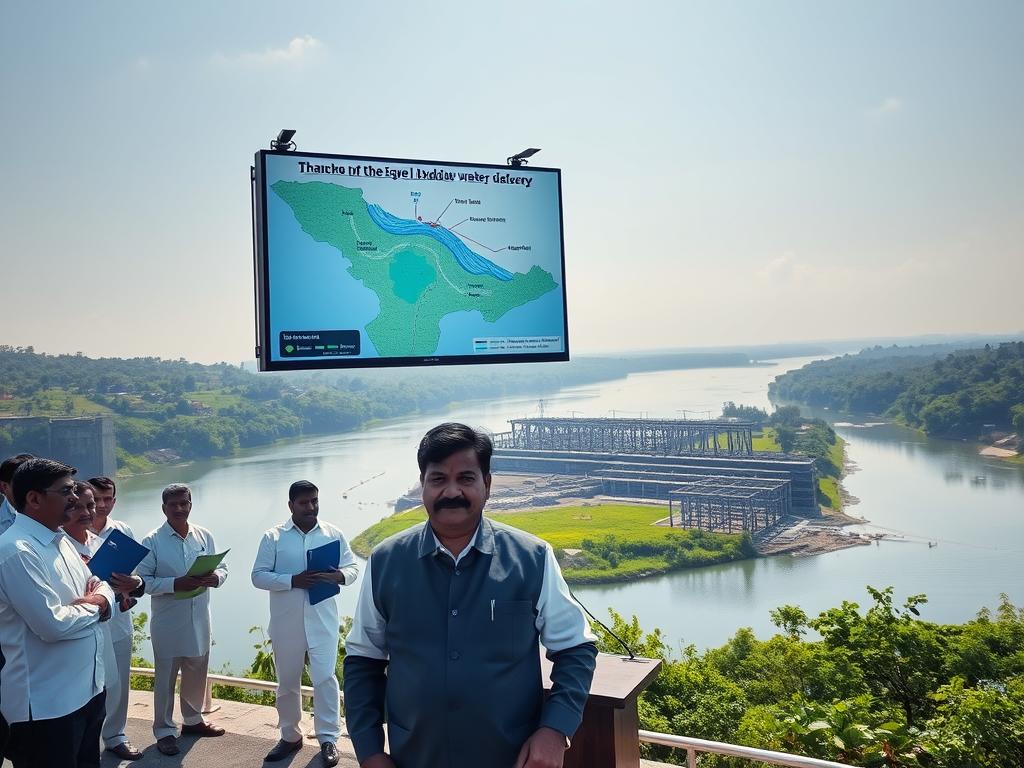
The long-standing conflict surrounding the Mekedatu project has seen a significant turn of events, much to the relief of Karnataka. In a move that strengthens the state’s position in this water-sharing challenge, the Supreme Court has passed a ruling in favor of Karnataka. This development has been enthusiastically received by the Deputy Chief Minister, DK Shivakumar, who appreciates the dedicated work of Karnataka’s legal team. The ruling represents more than just a legal win; it is a beacon of hope for the advancement of the state’s water management strategies.
The Mekedatu project, aimed at constructing a balancing reservoir on the Cauvery River, has been a matter of contention for years. Designed to provide drinking water and generate electricity, its impact on the Cauvery river basin has led to disputes, particularly with neighboring Tamil Nadu. With the Supreme Court’s latest decision, Karnataka has gained a pivotal advantage, potentially paving the way for the project’s progress that promises socio-economic benefits for its people.
Shivakumar’s public acknowledgment of the legal team’s effort underscores the importance of strategic legal advocacy in resolving inter-state water disputes. This victory highlights the critical role that legal frameworks play in managing and negotiating complex resource-sharing conflicts. It’s an illustration that sometimes, the resolution of such longstanding issues requires patience, persistent legal push, and astute diplomacy.
Beyond the legal realms, the ruling could act as a catalyst for further infrastructural and environmental planning. As Karnataka seeks to initiate the Mekedatu project, responsible management of its ecological implications is paramount. Stakeholders and environmentalists are likely to maintain a watchful eye to ensure that the development proceeds with environmental sustainability in mind. This path forward should ideally incorporate a balanced approach that harmonizes human requirements with ecological conservation.
As Karnataka moves ahead buoyed by this legal endorsement, it serves as a call to action for cooperative diplomacy with Tamil Nadu. Acknowledging the interconnected nature of their water resources, a collaborative framework that addresses the concerns of all involved parties could foster regional stability and mutual growth. In essence, while the court’s decision is a noteworthy milestone, lasting peace and prosperity lie in dialogues beyond the courtroom.