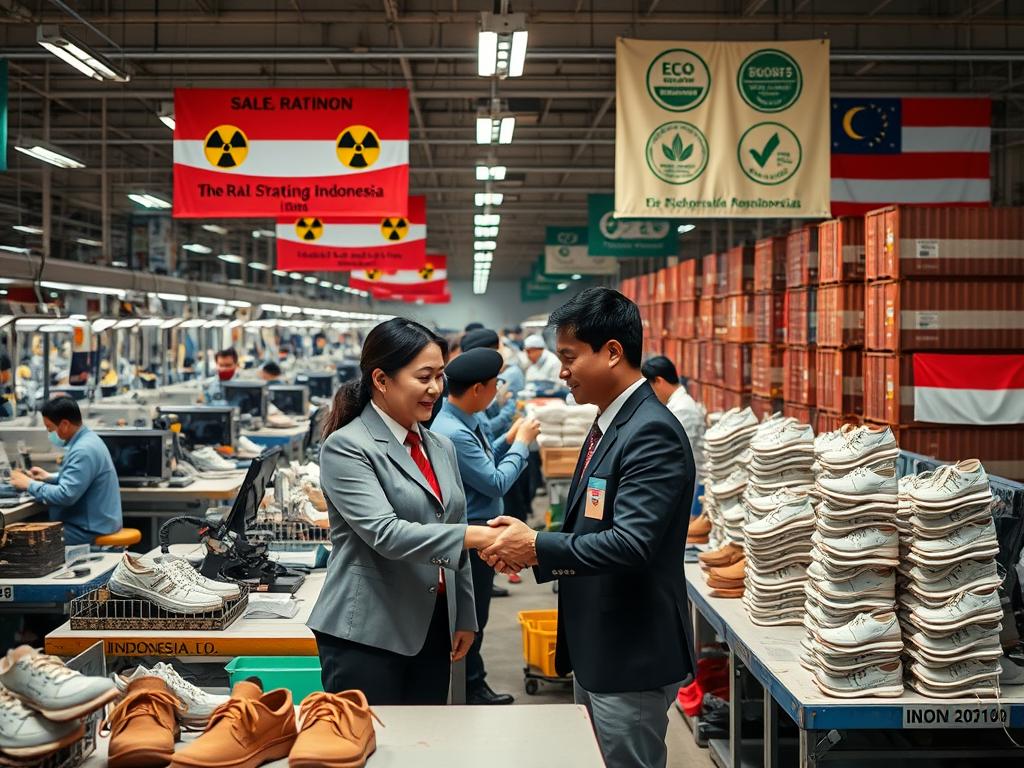
Indonesia’s footwear industry recently ran into a potential stumbling block when concerns over radioactive contamination briefly threatened its exports to the United States. However, the sector has emerged largely unscathed, with shipments continuing unabated according to official government announcements. The incident involved the precautionary return of two shipments initially, which began raising alarms both domestically and among international trading partners.
The scare originated from a possible link to a metal company in Serang, Banten, which was suspected of causing contamination. This led to immediate investigations and raised concerns about the potential impact on Indonesia’s vital export markets. Despite these challenges, Indonesian authorities acted swiftly to ensure all necessary safety standards were met and substantiated that the issue was an isolated incident, not affecting wider industry operations.
Of particular significance is the cooperation between local businesses and government entities, which worked hand in hand to address the scare. This collaboration not only underscores the robust supply chain protocols in place but also highlights the nation’s commitment to maintaining its hard-earned reputation in global commerce circles. By ensuring public and environmental safety standards, Indonesia avoided what could have been a detrimental interruption in trade.
Indonesia’s swift handling of the situation has provided a renewed confidence among international buyers. The country’s ability to rapidly respond to such transitory issues speaks highly of its resilience and adaptability. This episode illustrates that the world’s fourth most populous nation is now bolstering its standing as a reliable trade partner. While the scare may have temporarily put the spotlight on Indonesia’s regulatory frameworks, it ultimately fortified the international perception of its industrial integrity.
In conclusion, the Indonesian footwear sector’s ability to navigate this challenge successfully reflects its growth and resilience in the face of adversity. Such episodes, if managed well, can serve to enhance rather than harm a nation’s trade credentials. Looking forward, Indonesia’s proactive strategies in ensuring both product quality and safety could well serve as a model for other sectors within the burgeoning Southeast Asian economies.