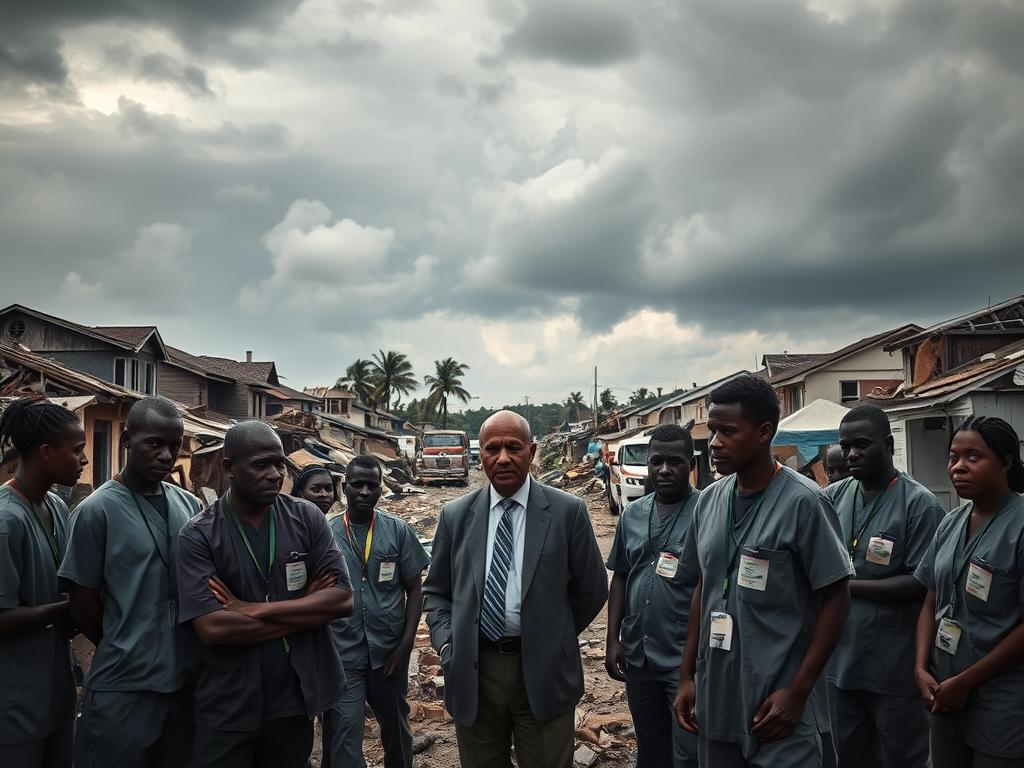
In the wake of Hurricane Melissa’s passage, the true scale of devastation is becoming clear, particularly for Jamaica’s health sector. Recent reports indicate that over 2,600 employees within the Ministry of Health have suffered property damage due to the storm’s relentless impact. For healthcare professionals already under immense pressure from their crucial roles, this blow exacerbates challenges and stirs concerns about their ability to continue serving communities effectively.
The situation is especially dire for 217 health workers who have been rendered homeless, marking a sobering reality amid the broader disarray. This development has prompted significant discourse around disaster preparedness and response, especially in sectors essential to public welfare. As these workers have been central to health services, losing their homes complicates their capacity to function optimally in their roles, a critical concern that demands immediate attention and support.
Minister of Health, Dr. Christopher Tufton, highlighted the urgent need for assistance and recovery strategies while visiting affected areas. His emphasis on strategic intervention underscores a critical juncture for Jamaica’s public health infrastructure. While various government and non-governmental organizations mobilize to address immediate needs, there is a strong call for long-term solutions that bolster disaster resilience, particularly for those on the frontlines.
The impact of Hurricane Melissa extends beyond physical damage; it has exposed vulnerabilities in existing emergency management frameworks, pointing to the urgent need for a paradigm shift. Community solidarity and support are being put to the test, as neighbors and local entities rally to aid those hardest hit. This crisis represents an opportunity to bolster infrastructure and community systems, ensuring that future natural disasters incur less human and economic cost.
As rebuilding efforts commence, the focus must remain on both immediate relief and sustainable development. The resilience and dedication shown by health workers, despite personal loss, offer inspiration and highlight the spirit of fortitude needed to navigate such challenges. Moving forward, Jamaica has the chance to emerge stronger by creating more robust mechanisms that shield and support its essential workforce, ultimately safeguarding the nation’s health and well-being.