






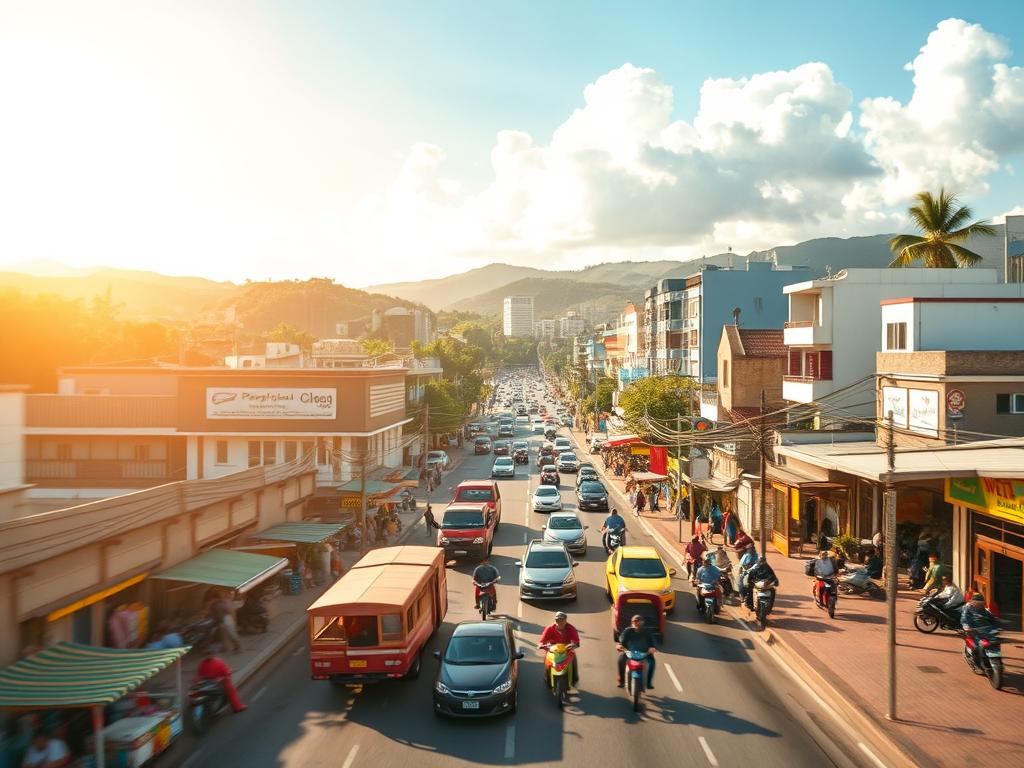
Imagine a bustling cityscape where the soundtrack is an unending symphony of horns, laughter, street vendors, and engines. This was the vivid depiction of Port of Spain by the renowned author VS Naipaul over six decades ago. He poignantly described the Trinidadian capital as the most clamorous city on the planet, a title that underscored the vibrant yet chaotic energy of its urban life. Fast forward to today, amidst the rhythmic beats of its cultural heart, the call for serenity grows louder. Prime Minister Kamla Persad-Bissessar is on a mission to turn down the volume and usher in a period of tranquility across the nation.
Noise pollution is often a neglected facet of urban development, yet it is a crucial determinant of residents’ quality of life. In Port of Spain, the continuous barrage of sounds has long been more than just a background hum; it has shaped the living experience. For many locals and visitors, this auditory landscape might feel overwhelming, blurring the line between cultural vibrancy and sheer chaos. Recognizing the pressing need for change, the government’s initiative aims to address this aural overload, balancing the city’s lively spirit with a more peaceful environment.
Tackling noise pollution, however, is no small feat. It demands more than just policies and regulations; it involves reshaping cultural habits and implementing both infrastructure and technological solutions. Persad-Bissessar’s plan likely includes several strategic moves such as imposing stricter noise control laws, enhancing public awareness campaigns, and investing in soundproofing measures for key areas. By approaching the issue from multiple angles, the government hopes to curb the cacophony while still preserving the essence of what makes Port of Spain a hub of Caribbean culture.
At the heart of these efforts is the desire to enhance well-being. Studies show that excessive noise can lead to a myriad of health issues, ranging from stress to sleeplessness and even cardiovascular problems. Considering these impacts, the push for quieter urban environments is not just about auditory comfort but is deeply entwined with public health. For the residents of Trinidad and Tobago, this initiative is a step towards reclaiming stillness amidst the chaos, allowing them to experience the city more fully and healthily.
Initiatives like these serve as a reminder of the transformative power of policy when it aligns with public interest. In pursuing peace and quiet amidst the hustle and bustle, Port of Spain is setting a precedent for other metropolises that might also be yearning to silence their dissonant symphonies. As the vibrations calm and the din diminishes, one can only hope that these changes herald a new era where the city’s lively character can be enjoyed without the clangor that once defined it.