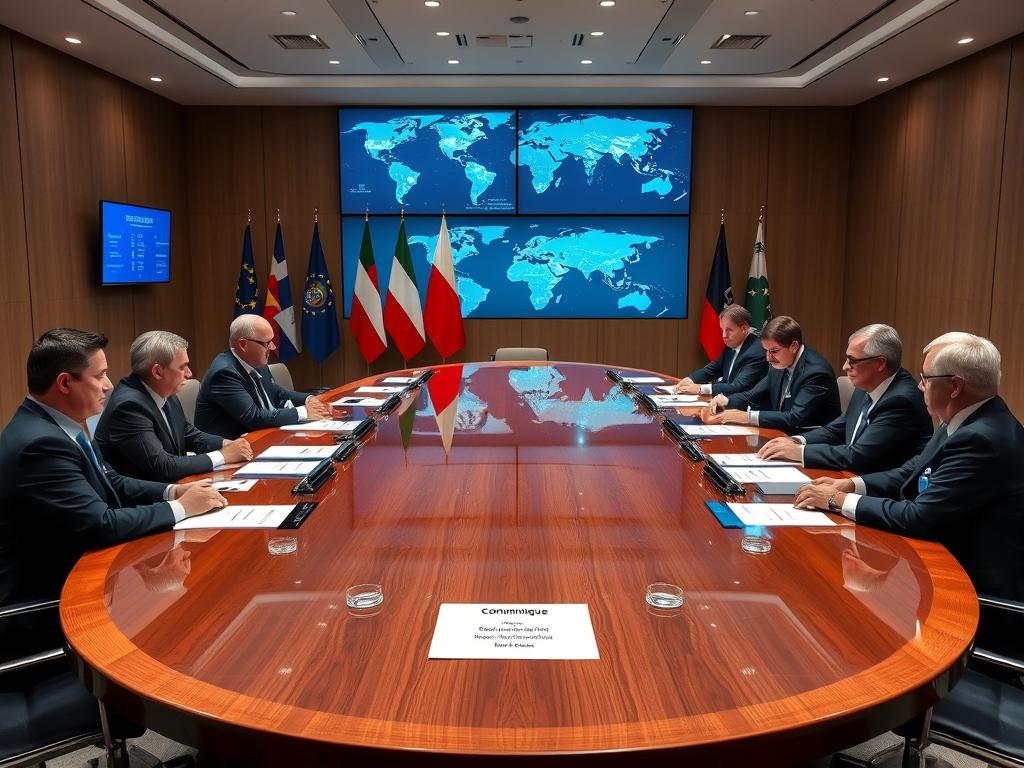
In a significant gathering, the G7 Interior and Security Ministers have come together with key stakeholders like the European Commissioner for Internal Affairs and Migration, alongside INTERPOL, to chart a course for collective safety and security in the world. This high-level meeting culminated in a communiqué—a concerted declaration highlighting the pivotal areas of focus for these leading nations. With a backdrop of growing global threats, this collaboration signifies a robust commitment to unity in addressing pressing security challenges.
The timing of this summit could not be more critical. As the world grapples with dynamic challenges such as cybercrime, terrorism, and the nuances of migration, the communiqué serves as a proactive blueprint aimed at mitigating these risks. The advent of technology has not only transformed our lives positively but has also created avenues for new and complex security threats. The G7 nations, through this document, have reiterated their determination to harness collaborative force and intelligence to protect citizens across the globe.
Collaborative frameworks are at the heart of the strategy outlined in the communiqué. These frameworks underscore the importance of sharing intelligence and resources effectively to enhance collective defenses. Moreover, the involvement of the European Commissioner and INTERPOL points to a vision transcending traditional geographical boundaries, moving towards a more integrated approach to security. Notably, this communiqué also emphasizes digital security, reflecting the increasing dependence on technology and the necessity for fortified cybersecurity measures.
One can’t ignore the communiqué’s focus on human rights and migration. By addressing these aspects, the ministers have acknowledged the complex layers of security that are often interwoven with humanitarian issues. The G7’s approach appears to aim for a balance between safeguarding borders and ensuring humane treatment for migrants. This balanced strategy not only secures nations but also enriches them by turning challenges into opportunities, promoting stability, and encouraging development.
In conclusion, the G7’s communiqué is more than a political statement; it’s a pledge to safeguard the future through unity and shared responsibility. This gathering has set a precedent for how modern-day security challenges should be tackled—with foresight, cooperation, and a deep respect for human rights. As these global leaders move forward, the communiqué will likely serve as a benchmark for accountability and progress, reminding us that in a connected world, safety and security are collective enterprises.