In an era where travel advertisements typically aim to shock and awe with high-octane visuals and pulsating soundtracks, one country’s tourism board has taken an unexpected turn. Embracing a slower pace, they invite travelers to indulge in the nation’s perceived ‘dullness’. This unique marketing strategy challenges conventional tourism narratives, favoring tranquility over thrills.
There’s a growing demographic among travelers who are weary of the frenetic pace of urban life. For them, the ideal vacation isn’t about ticking items off a bucket list but finding a respite from constant overstimulation. This burgeoning demand for peace and quiet offers a goldmine of possibilities for countries often overshadowed by more glamorous destinations.
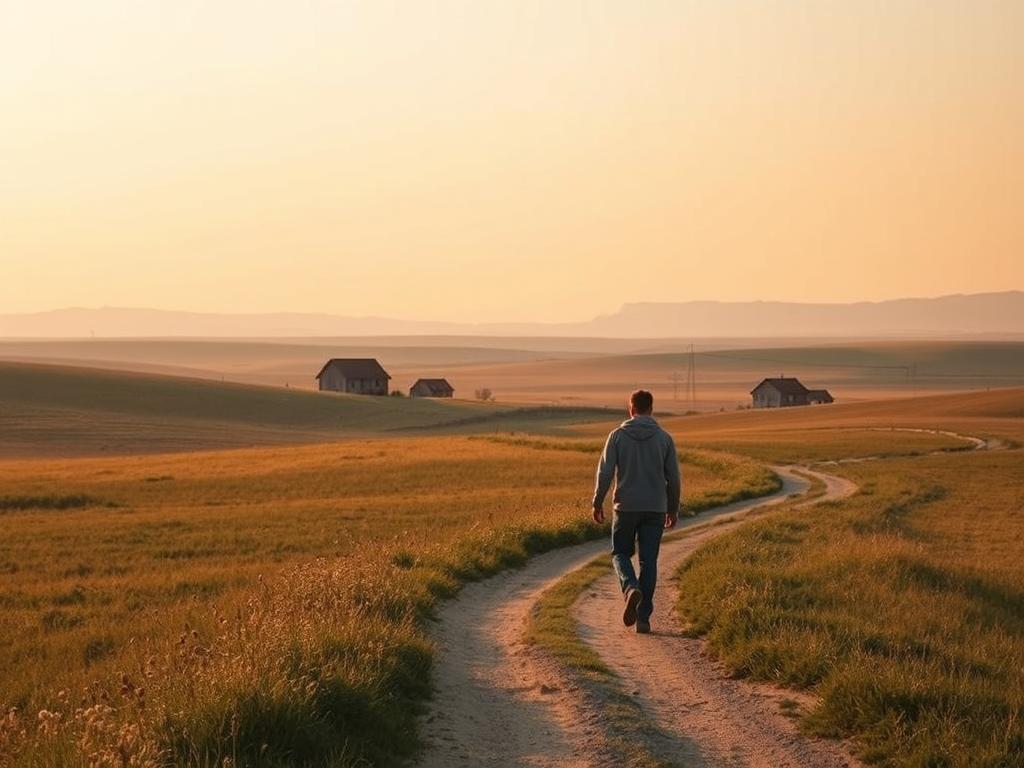
The tourism board’s latest campaign, rather than promoting exhilarating adventures, highlights the nation’s stillness, vast landscapes, and the charm of its rural areas. It’s an invitation to visitors to slow down and relish the simplicity of life. By betting on its subtle attractions, it appeals to those searching for mindfulness and a break from their daily routines.
From an economic perspective, this unorthodox approach is intriguing. Encouraging tourists to explore the nuanced beauty of everyday life could potentially distribute tourism wealth more evenly across less populated regions, thereby supporting local economies. Instead of congested tourist hubs, smaller communities might reap the benefits of increased visitor numbers, providing them with sustainable development opportunities.
In the grand scheme of global tourism, promoting a country as a sanctuary of calmness is both bold and refreshing. It caters to the rising trend of slow travel, where the quality of experience outweighs the quantity of attractions seen. In embracing its own unadorned beauty, this nation offers an antidote to modern travel fatigue, and perhaps heralds a shift towards a more introspective tourism on the world stage.