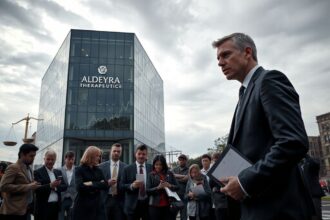






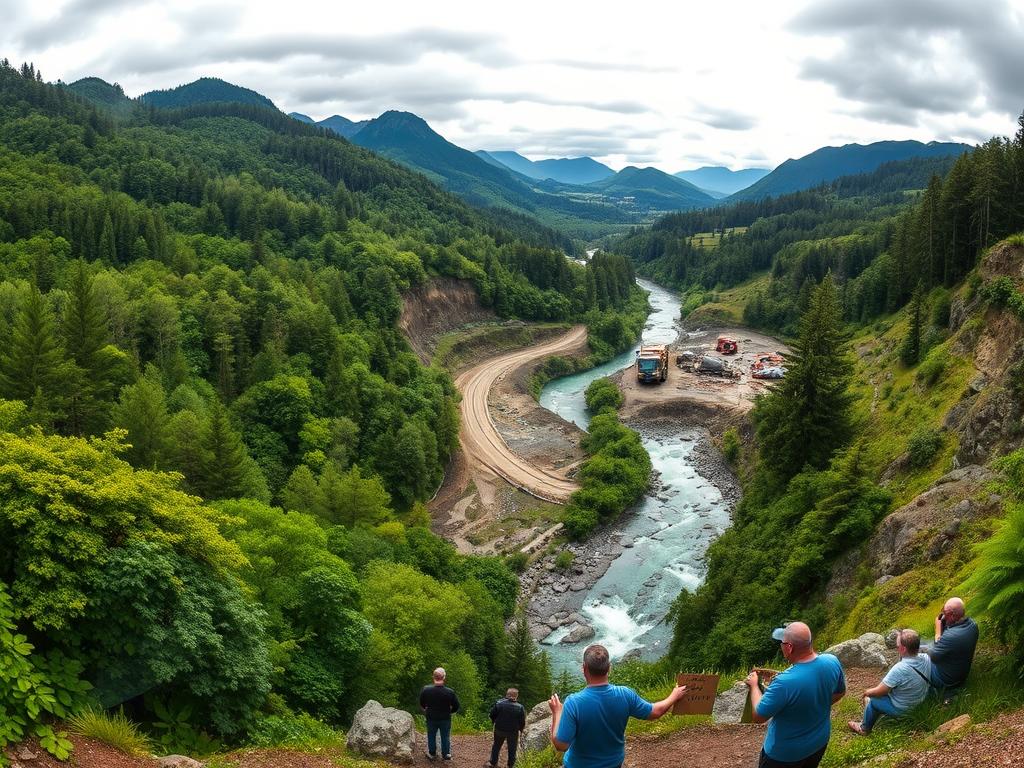
In a significant move that has piqued the interest of both environmentalists and industry stakeholders, an application for a mining permit has been filed for the Sam’s Creek site in the upper Tākaka valley. The proposal comes from a company eager to explore the resource-rich location, aiming to tap into its potential for precious minerals. While the application has set the stage for a series of debates, it also showcases the intricate balance between natural preservation and industrial growth.
The upper Tākaka valley, known for its stunning landscapes and unique biodiversity, is now at the crossroads between maintaining its ecological charm and embracing economic development. The company behind the permit application envisions a project that could bring jobs and infrastructure to the region. However, local communities and environmental advocates are raising concerns about the long-term impact on the area’s natural heritage.
Mining operations, while economically lucrative, often pose a dilemma due to their environmental footprint. The company has pledged to conduct comprehensive assessments to minimize any adverse effects, aiming to address public concerns. As the permit application proceeds through regulatory channels, it will inevitably undergo scrutiny from various stakeholders looking to balance progress with sustainability.
This development brings to light the broader conversation about the future of industries in regions rich in natural resources. How can companies innovate to align profit with the preservation of the ecosystems they operate in? This paradigm shift towards more responsible practices might not only benefit the environmental landscape but could also reshape community-company relationships for the better.
The unfolding situation in the upper Tākaka valley serves as a microcosm of the global dialogue on resource management. Whether this mining endeavor proceeds or not, its story could set a precedent for how similar cases are handled in the future. It highlights a critical question of our time: how do we responsibly harness resources to fuel our economies while safeguarding the planet for future generations?