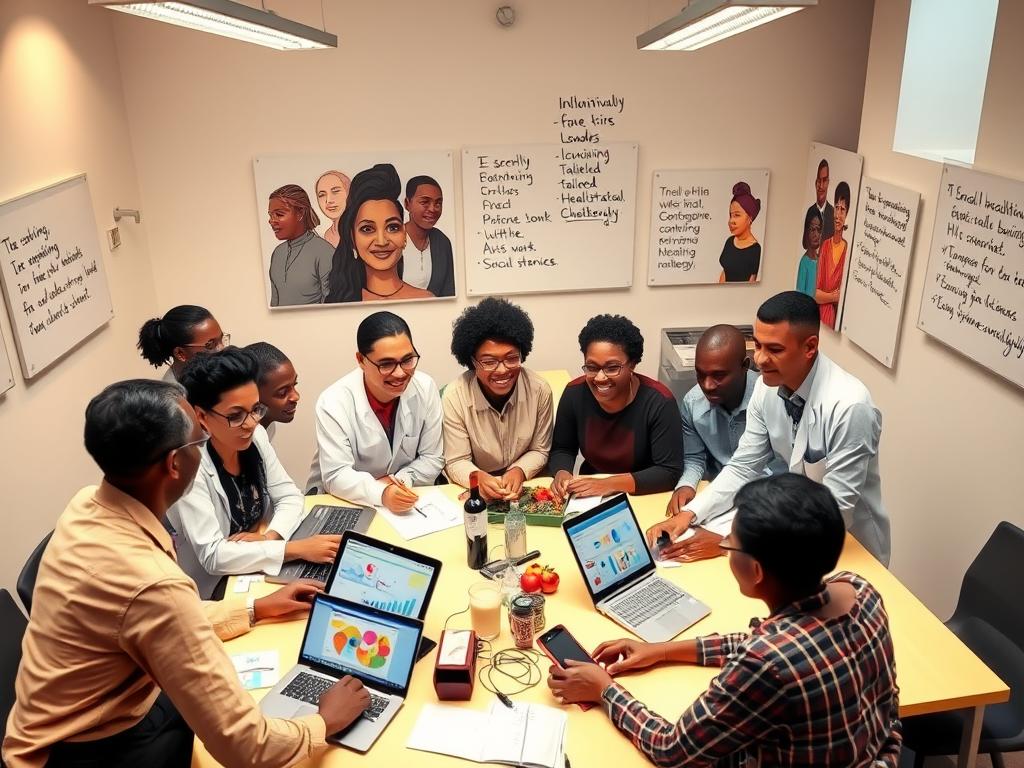
In recent years, the call for inclusivity across various fields of research has become more than just a trend—it’s a necessity. At the forefront of this movement is the SHARE Collaborative at Queen Mary University, where researchers are embracing a community-focused approach to HIV research. By prioritizing the inclusion of diverse voices and experiences, the team aims to not only advance scientific understanding but also ensure that their findings are applicable and beneficial to all affected communities.
The philosophy behind the SHARE Collaborative’s research is simple yet profound: include those who have been historically marginalized in every stage of the research process. This approach acknowledges that the impact of HIV is not felt equally across different communities and seeks to address these disparities directly. Through active engagement and collaboration with various stakeholders, including patients, community leaders, and local organizations, the researchers aim to gather a comprehensive understanding of the social, economic, and cultural factors influencing the epidemic.
One of the key benefits of this inclusive method is the development of tailored healthcare strategies that resonate with specific communities. Traditional, one-size-fits-all approaches have often failed to tackle the unique challenges faced by marginalized groups. By contrast, a tailored approach recognizes the nuanced realities these communities face, leading to more effective interventions and better health outcomes. It reinforces the idea that the people most affected by HIV should have a defining voice in the research that seeks to serve them.
Moreover, integrating community perspectives contributes to a greater sense of trust and cooperation between researchers and participants. Historically, medical research has been marred by instances of exploitation and mistrust, particularly among marginalized communities. SHARE Collaborative’s model not only works against such historical injustices but also promotes a sense of agency and empowerment among participants, which is critical for the success of any public health initiative.
In conclusion, the work spearheaded by the SHARE Collaborative at Queen Mary University is a testament to the transformative power of inclusive research practices. By centering community voices, they not only foster equity in research but also enhance the relevance and impact of scientific findings. As this model gains traction, it could pave the way for a more equitable and effective future in HIV research and beyond, inspiring other fields to follow suit and prioritize the inclusion of all voices in their quests for knowledge and innovation.