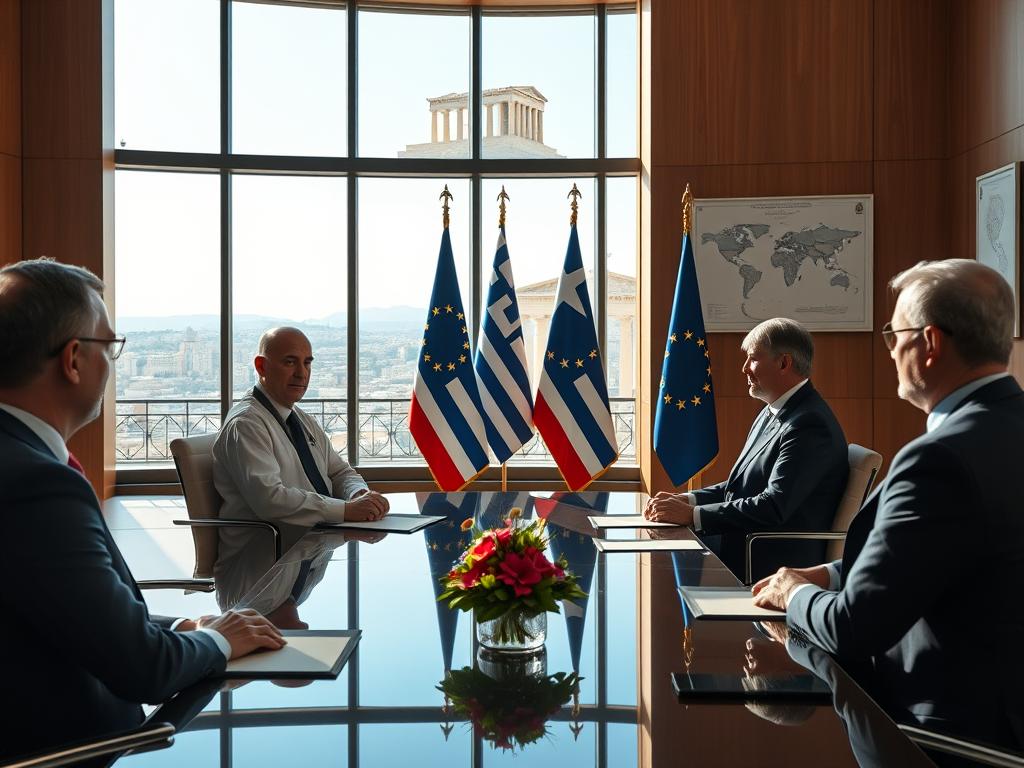
In an intriguing development on the diplomatic front, Aguila Saleh, the influential leader of Libya’s Benghazi-based House of Representatives, is slated to visit Athens this Friday. This visit represents a significant step in the evolving web of international relations involving Libya, underscoring Greece’s strategic interest in the North African region. As Libya continues its complex journey towards stability, the global community watches closely, keen to understand how this meeting might reshape geopolitical alliances.
The backdrop of Saleh’s visit is an intricate tapestry of Libya’s political dynamics, marked by its historically fragmented government and ongoing strive for national unity. The Libyan political landscape has long been characterized by competing allegiances and shifting loyalties. As such, Saleh’s visit to Athens could herald a new chapter, potentially leading to cemented cooperation between Greek and Libyan leaders which might address not only bilateral issues but also broader regional concerns.
Greece, strategically located in the Mediterranean, has vested interests in Libyan stability. The chaos that ensued post-Gaddafi era in Libya has had ripple effects, including migration pressures and security threats, directly impacting Greece and its European neighbors. Consequently, this visit could indicate Greece’s proactive role in supporting diplomatic resolutions and fortifying channels of dialogue aimed at stabilizing Libya.
One key aspect to observe is how this visit aligns with European Union interests. The EU has been intricately involved in Libyan affairs, often promoting diplomatic solutions to the country’s internal conflicts. Saleh’s discussions with Greek officials might well echo his stance on international collaborations and external support, potentially resulting in strengthened EU-Libya relations if common grounds are found.
In essence, the significance of Saleh’s visit to Athens should not be underestimated. It represents an opportunity for these nations to forge stronger ties and collaboratively address shared challenges. Ultimately, whichever paths the negotiations take, the outcomes could resonate far beyond the Mediterranean, influencing the regional balance of power and paving the way for a more peaceful future. As such, observers wait with bated breath for the results of this diplomatic engagement, hopeful for a brighter horizon.