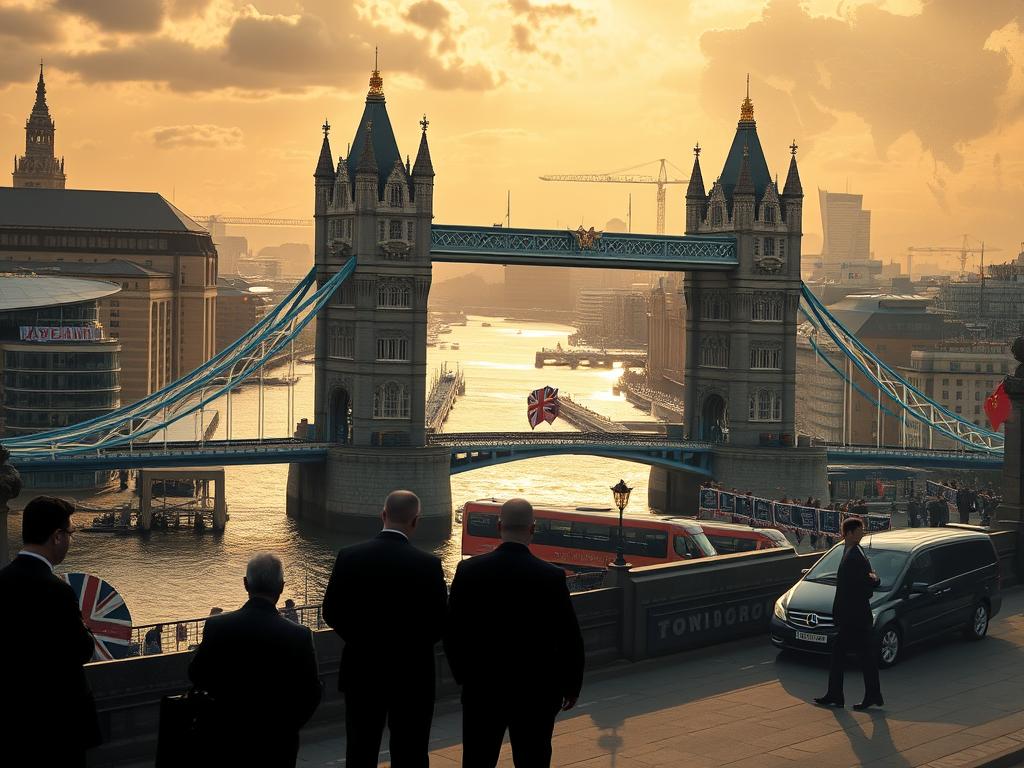
In an intriguing twist within the realm of international diplomacy, the UK government has decided to postpone a critical decision concerning the establishment of a sprawling new Chinese embassy complex near London’s iconic Tower Bridge. This deferment pushes the approval timeline to January, notably coinciding with Keir Starmer, leader of the Labour Party, planning a visit to Beijing. The overlap of these two events may not be coincidental, as it highlights the intricate dance of politics and foreign relations that both nations are currently navigating.
This delay raises a cascade of questions about the UK’s stance towards China, at a time when international relationships are under intense scrutiny. Given the geopolitical tensions and trading complexities, this postponement can be seen as a strategic maneuver. It offers the UK government additional leverage and room to assess its foreign policy strategy with China, as other Western nations also recalibrate their diplomatic approaches.
The location of this planned embassy is laden with symbolic significance. Tower Bridge is a historic and heavily touristed area, standing as a testament to the UK’s storied past and its place in the global narrative. Siting a super-embassy in such a location could be perceived as a statement of China’s growing influence on the international stage, resonating beyond bricks and mortar into the very fabric of global diplomacy.
Keir Starmer’s upcoming visit to Beijing is poised to be more than a simple diplomatic courtesy. As he leads discussions with Chinese officials, this context brings a unique anticipation. Any insights or agreements he brokers could set the tone for how the UK progresses with the embassy decision and its wider relationship with China. Expectations are high, and much will depend on the narrative that unfolds from his engagements.
In conclusion, the UK government’s delay in approving China’s super-embassy serves as a poignant reminder of the complexities inherent in contemporary diplomacy. As the decision aligns with Keir Starmer’s visit to Beijing, it underscores the pivotal role of strategic timing in international politics. The outcome of these intertwined events may well influence not just the UK’s diplomatic trajectory with China, but also how this relationship shapes broader geopolitical dynamics in the years to come.