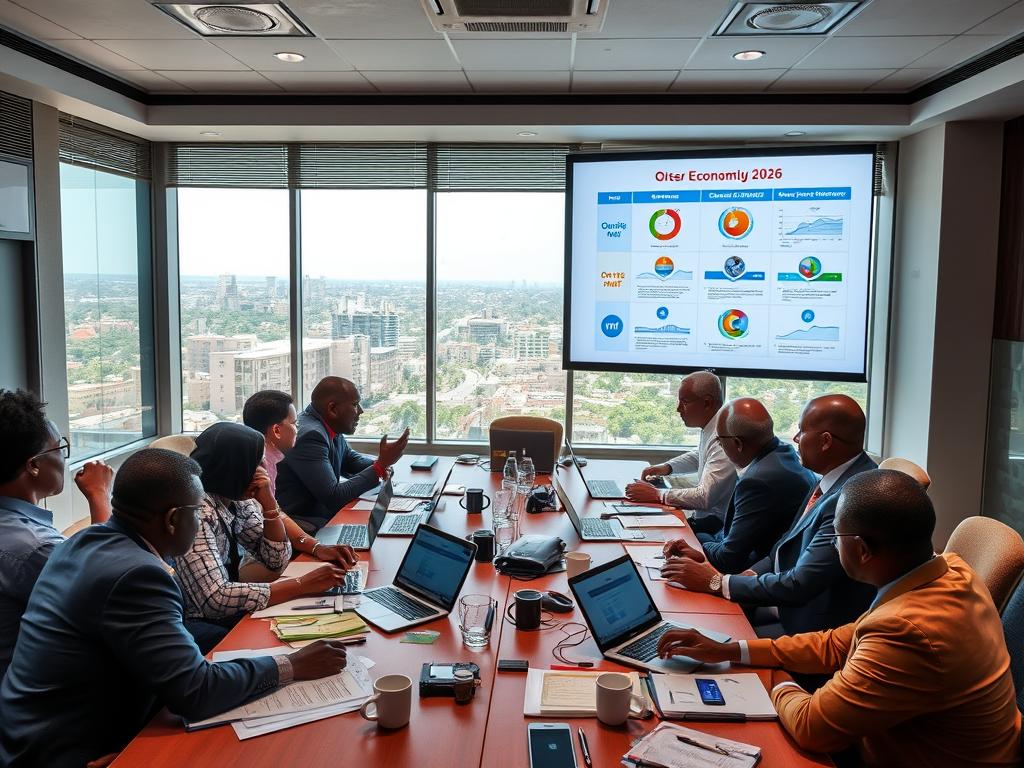
The formulation of a state’s budget is a complex yet essential exercise that determines the financial compass and developmental trajectory for the forthcoming year. In the bustling environment of the Assembly Complex in Calabar, the Cross River State House of Assembly Committee on Finance and Appropriation recently convened with the State Economic Team to dissect and discuss the elements of the 2026 budget. This marks a crucial step in ensuring that the financial blueprint aligns with the broader economic vision for the region.
Engagements like these are pivotal, as they allow both legislative and economic authorities to synergize their expertise and interests. This collaborative approach not only supports a cohesive financial strategy but also anticipates potential challenges by harnessing diverse perspectives. It fosters a shared understanding of fiscal priorities and ensures that the intricacies of the state’s revenue projections and expenditure plans are meticulously balanced.
One of the primary tenets discussed during this interface was enhancing revenue generation amidst fluctuating economic climates. With an ever-increasing need for infrastructural development and social services, the state must innovate its revenue channels while optimizing existing ones. This requires a careful blend of policy reform, economic incentivization, and perhaps an exploration into new sectors that can provide sustainable growth.
The dialogue also dived into defining expenditure prioritization which is equally critical to fiscal planning. Ensuring that funds are allocated efficiently to sectors that directly impact the public welfare, such as health, education, and transport, was emphasized during the discussions. It showcases the state’s commitment not just to fiscal discipline but also to elevating the quality of life for its citizens through prudent management of resources.
As we look ahead, it’s essential to recognize that such collaborative budgetary proceedings serve as instrumental steps toward economic prosperity. By merging expertise from legislative and economic spheres, Cross River State exemplifies how strategic partnerships can pave the way for a robust financial future. The culmination of these efforts will ideally manifest in a budget that supports sustainable growth, economic resilience, and improved livelihoods.