






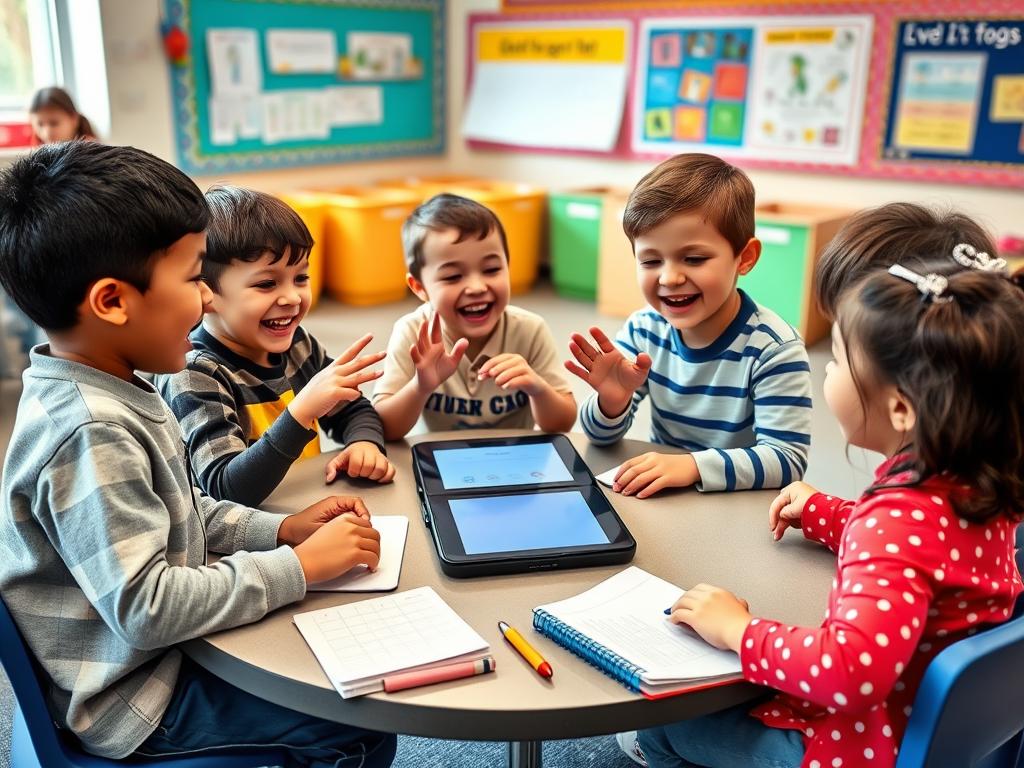
At Keystone Elementary, lunchtime became a vibrant and insightful gathering as five young students displayed the beautiful art of diverse communication. This recent assembly wasn’t just about sharing meals; it was about sharing worlds, each child bringing their unique perspective to a table teeming with laughter and learning. Despite being in kindergarten and first grade, these children showcased an impressive ability to connect using an array of communication styles. Their interaction is a testament to the power of human connection, transcending traditional language barriers.
In this harmonious meeting, speech blended seamlessly with gestures, signs, and the use of communication devices, forming a rich tapestry of dialogue that was inclusive and empathetic. Communication devices acted as bridges, effectively translating feelings and thoughts for those who might otherwise struggle. This setting not only facilitated an environment of inclusion but also demonstrated the adaptability and understanding innate in children when given the tools and opportunity to express themselves.
As the discussion meandered through topics like favorite toys and memorable adventures, it was fascinating to observe how each child’s preferred communication method added a different hue to the conversation. Gestures carried the animation of stories untold, while signs punctuated the discussions with clarity and intent. Meanwhile, speech and devices narrated the tangible experience of excitement and inquiry, ensuring every voice was heard and understood. This diversity in communication fostered a sense of belonging, showcasing how differences can contribute to a richer interaction.
The gathering serves as a poignant reminder of the importance of cultivating environments where diverse communication is not only accepted but celebrated. Schools and communities can learn from this example, working towards greater inclusivity by integrating varied communicative tools and methods. By embracing such diversity, we prepare our children to be empathetic, kind, and understanding individuals, cultivating future societies that value diversity not just as a norm, but as a strength.
In conclusion, the interaction between these five students at Keystone Elementary illustrates the profound impact of inclusive communication strategies. It challenges us to rethink how we view communication, urging educators, parents, and communities to lean into the varied and vibrant ways we connect. As we look to the future, embracing these diverse communication styles not only enhances educational experiences but enriches human interaction, paving the way for more thoughtful and unified societies.