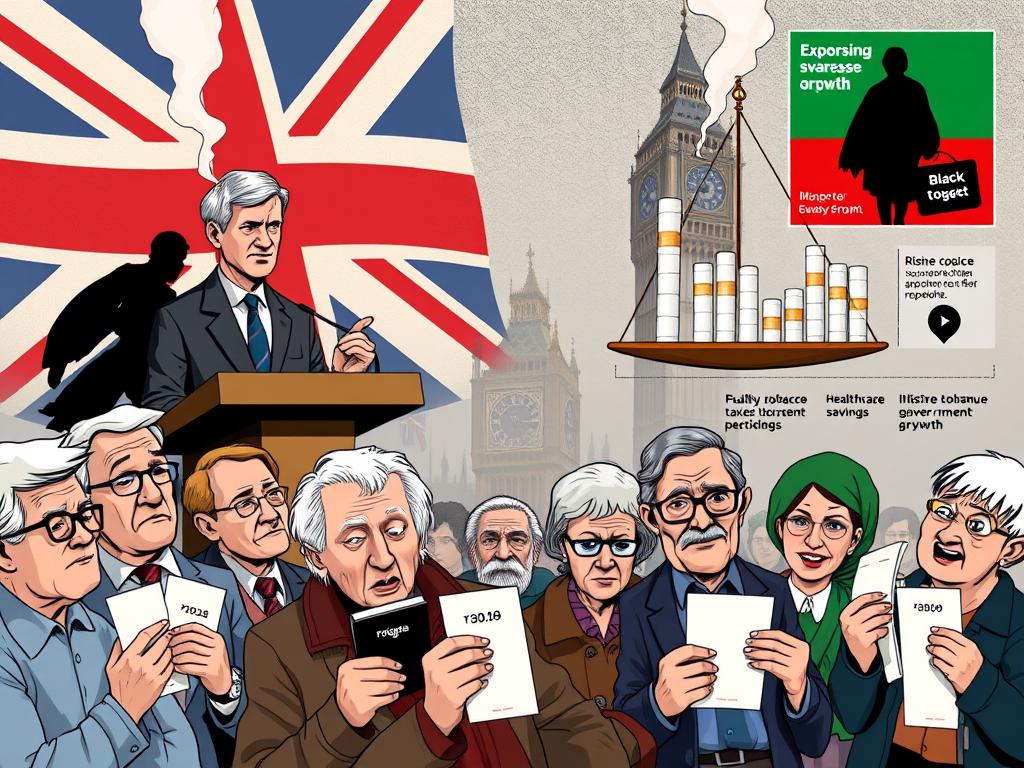
The UK has once again turned its budgetary focus towards health improvements and fiscal gains by targeting tobacco prices in its latest national budget announcement. Starting from 6pm today, smokers will feel a noticeable pinch in their pockets as the price of cigarettes and other tobacco products climb. This move comes as part of a broader governmental effort to curb smoking rates and generate additional revenue through increased tobacco excise duties. But what does this mean for smokers and the economy at large?
For smokers, the immediate and tangible effect is the increased cost of tobacco products, which could lead to financial discomfort, especially for those on lower incomes. The intent behind such hikes is twofold: to discourage smoking by making it financially unattractive and to nudge people towards healthier lifestyles. However, critics argue that it places a disproportionate burden on individuals who are already struggling, potentially leading to unintended economic hardship for a significant portion of the population.
The economic rationale for hiking tobacco taxes is grounded in public health strategy and fiscal policy. By raising the cost of cigarettes, the government aims to reduce the overall consumption and subsequently lower the healthcare costs associated with treating smoking-related illnesses. It also provides an opportunity for the government to increase revenue, which can be allocated to various public services. This dual benefit makes tobacco taxation an appealing policy tool, despite the controversy it often stirs.
One consideration is the potential rise of illicit trade. As legal tobacco becomes more costly, there is a risk that consumers might turn to the black market to avoid high retail prices. This could inadvertently support criminal networks, undermining the public safety goals the government is trying to achieve with these price increases. Strategically, it’s essential for law enforcement and relevant agencies to remain vigilant in combating illegal tobacco trade as these tax changes take effect.
While the spike in tobacco prices might initially feel like an unwelcome blow to smokers, it presents an opportunity for positive change at multiple levels. Beyond the immediate fiscal benefits for the government, it poses as a hopeful stepping stone towards reducing smoking prevalence and improving public health. However, the challenge lies in effectively managing its side effects, such as economic strain on smokers and the potential boost to illegal markets. Ultimately, if executed thoughtfully and inclusively, this budgetary decision could lead to a healthier, more economically balanced society.