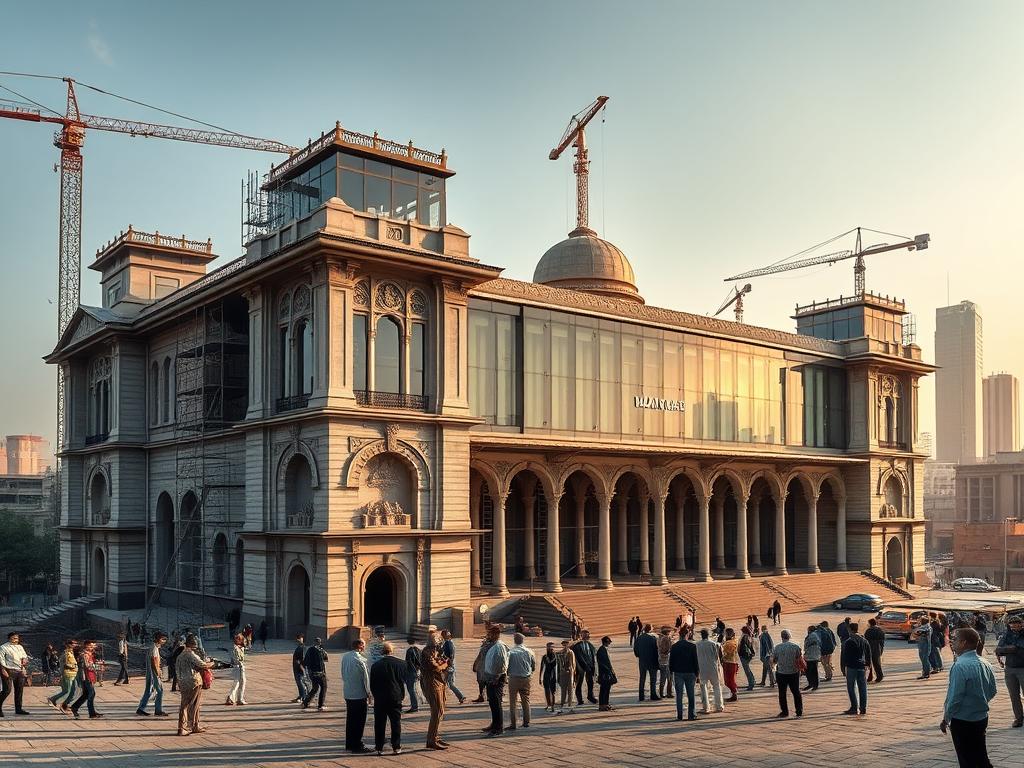
As the city of Mumbai stands on the cusp of architectural transformation, the recent deliberations concerning the design of the new Bombay High Court offer a glimpse into the complex tapestry of aspirations and responsibilities that shape modern Indian architecture. The spirited discussions that unfolded, drawing architects, legal experts, and spectators alike, encapsulate much more than just an architectural debate; they represent the dynamic interplay between legal traditions and contemporary needs.
Last month, the ceremonial laying of the foundation stone by Chief Justice of India BR Gavai marked a significant milestone in the journey toward realizing a vision for the new judicial complex. However, as the dust settled from the initial fanfare, more nuanced conversations began to surface. The challenge lies not only in creating a structure that meets modern functional demands but also in crafting an identity that respects the historical gravitas of one of India’s oldest high courts.
The design of such an iconic structure raises pertinent questions about what values should be prioritized. Should it lean more towards cutting-edge efficiency and technological integration, or should it echo the familiar motifs of colonial-era architecture that dominate Mumbai’s legal landscape? This debate isn’t just about aesthetics; it’s about preserving the sanctity and personality of a judicial institution that has played a pivotal role in shaping legal discourse in India.
Architects are tasked with a unique conundrum: crafting a building that not only performs well in terms of sustainability and accessibility but also one that communicates justice, authority, and heritage. Meanwhile, legal experts are keen to ensure that the new premises facilitate effective judicial proceedings and maintain the court’s public image and historical importance. This intersection of ideas mirrors the broader urban development challenges faced by growing cities worldwide as they seek to honor their past while embracing the future.
As the architectural dialogues continue, one thing becomes clear: the outcome of this project will resonate far beyond its immediate geographical location. It serves as a metaphor for India’s stride towards a future that honors its storied past. While consensus may be elusive, the process of debating these issues is invaluable, reminding us that the structures we build are not only of brick and mortar but of ideals and identities. This debate thus becomes an integral part of the evolving story of modern India, where tradition and innovation stand hand in hand.