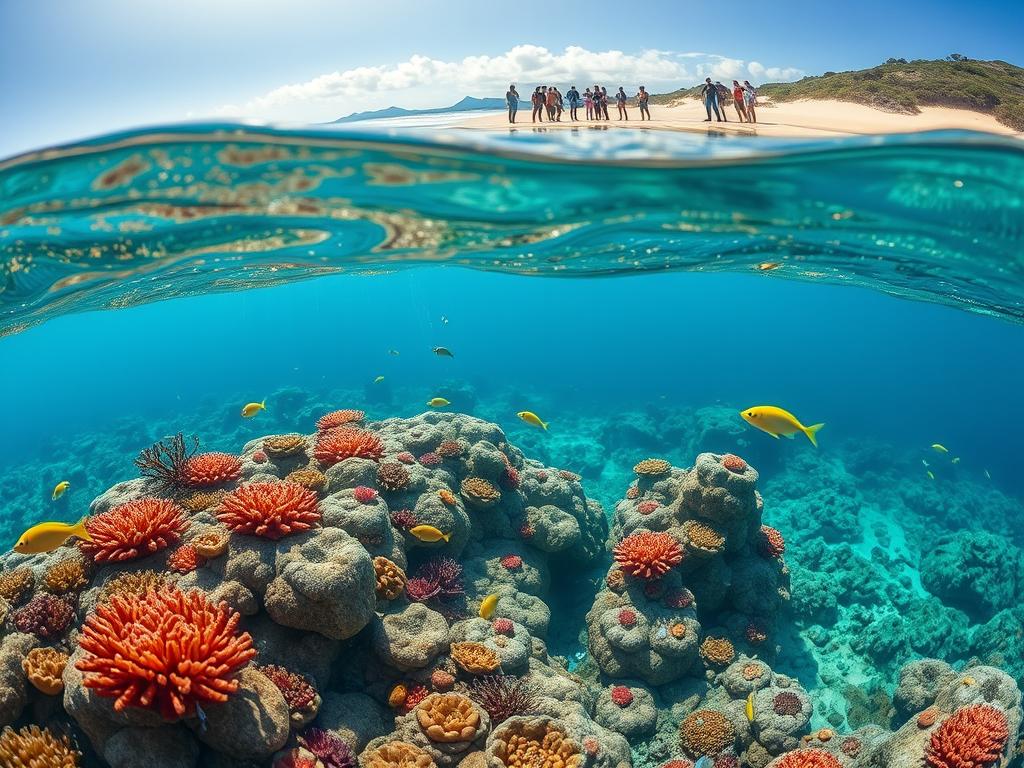
Australia’s coastal ecosystems are celebrating a significant triumph as a pioneering initiative to restore shellfish reefs has garnered global recognition. Announced as a World Restoration project by the United Nations, this endeavor addresses the concerning depletion of shellfish reefs which once thrived along Australia’s shores. By restoring these underwater guardians, not only are we reviving a crucial marine habitat, but we’re also strengthening the natural bulwarks against coastal erosion and supporting biodiversity.
Shellfish reefs, primarily composed of oysters and mussels, hold immense ecological importance. Historically, these reefs provided more than just habitat for marine life. They served as biofilters, cleansing the waters and contributing to coastal protection by buffering wave energy. Over the decades, however, human activities, pollution, and over-harvesting nearly erased them. The UN’s accolade reflects both the project’s ambition and its crucial role in confronting these environmental challenges.
The restorative project employs innovative techniques to reestablish these reefs, including the placement of limestone, known as ‘shellfish castles’, which mimic natural structures and attract shellfish to settle and grow. This method not only facilitates the growth of new reefs but also invites marine biodiversity to flourish once more. Local communities, scientists, and environmentalists have joined hands, working tirelessly to ensure these efforts translate into tangible ecological improvements.
Beyond ecological restoration, the project highlights a critical shift toward sustainable practices and community involvement in environmental conservation. By incorporating local knowledge and prioritizing educational initiatives, the project fosters a sense of stewardship, encouraging communities to protect these revived ecosystems. This collective effort underscores the broader message that environmental solutions often lie within the power and collaboration of local stakeholders.
The recognition by the United Nations propels Australia’s shellfish reef restoration into the spotlight, serving as an inspiring model for similar efforts globally. It demonstrates that with resilience, innovation, and cooperation, it is indeed possible to restore environments once deemed lost. As these nascent reefs continue to grow, they signify not just the revival of a natural resource, but also a renewed commitment to preserving the planet for future generations. In this light, the restoration effort transcends environmental repair—it becomes a testament to the enduring human spirit’s capacity to foster change.