






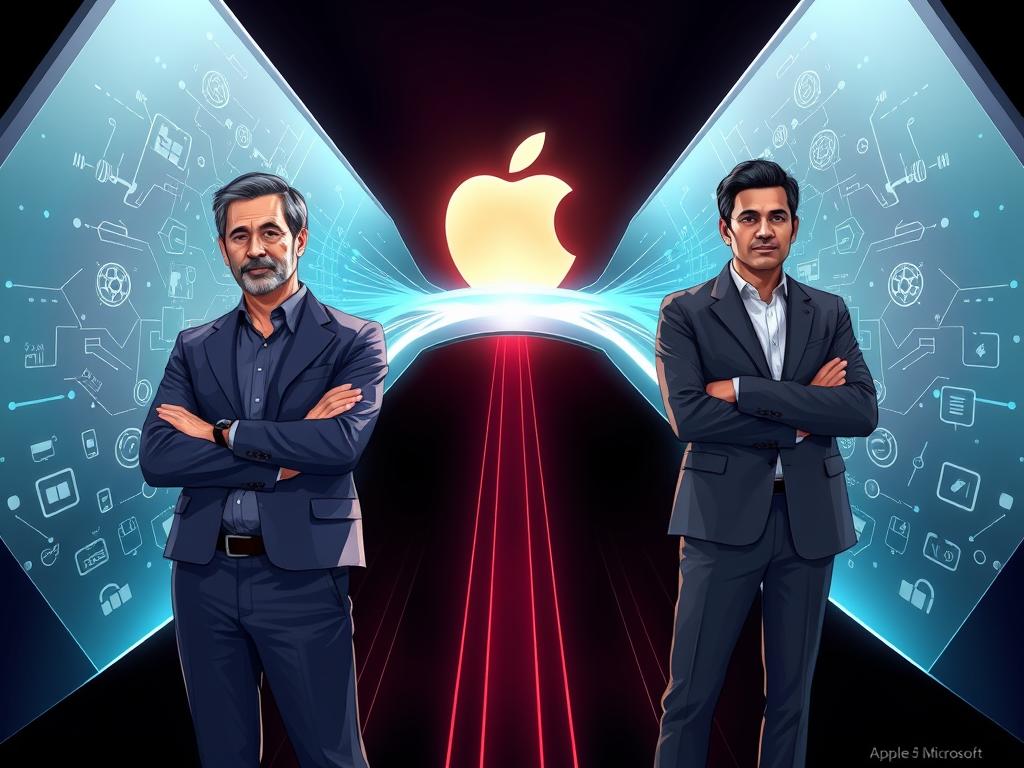
In a surprising shift within Apple’s executive team, John Giannandrea, the much-respected AI chief, has decided to part ways with the company. This move has paved the way for Amar Subramanya, a former Microsoft executive, to step into the role of Vice President of AI. Given Apple’s increasing focus on artificial intelligence as a driver for innovation in products ranging from the iPhone to its expanding services, this leadership change is bound to stir curiosity and anticipation.
John Giannandrea, previously a prominent figure at Google, joined Apple in 2018 and made significant strides in embedding machine learning across Apple’s ecosystem. His tenure marked an era of refinement for Siri and a broader push toward more systemic AI integration within Apple’s diverse range of products. Therefore, his departure is not just the exit of an executive but the closing of a chapter that shaped Apple’s strategy towards AI technology.
As Amar Subramanya takes the helm, it’s tempting to wonder how his experiences from Microsoft will translate into Apple’s unique technology environment. At Microsoft, Subramanya played a crucial role in developing AI solutions that integrated seamlessly into their products. With his insights and fresh perspective, we can expect a reinvigoration of Apple’s approach to AI, perhaps leading to innovative tools that could redefine user interaction with Apple’s operating systems and devices, enhancing everyday experiences for millions.
This transition reflects a broader trend of cross-pollination in the tech industry, where executives bring varied experiences from one major tech company to another. Such transitions can often herald shifts in a company’s strategic direction, especially in rapidly evolving fields like AI. Apple’s decision to appoint someone with Subramanya’s background indicates a commitment to continuing their legacy of human-centric AI design while possibly exploring new horizons previously uncharted.
As we anticipate the new augmentations this leadership change may bring, it’s essential to recognize the complex tapestry of talent that shapes innovation. While change can be unsettling, it also heralds new opportunities. Apple’s choice underscores their vision of strengthening their AI capabilities through innovative leadership. As consumers and spectators, we can look forward to seeing how this new chapter unfolds, redefining the interaction between technology and daily life in ways that continue to keep Apple at the forefront of technological advancement.