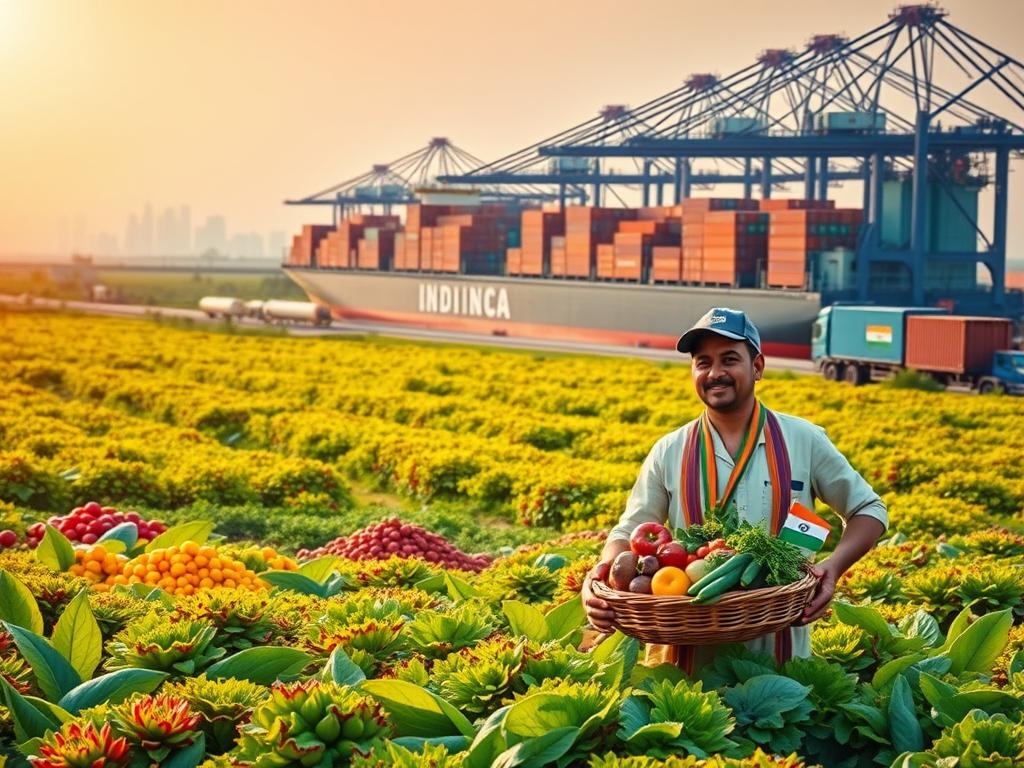
The global agricultural trade landscape recently received a notable shift with the United States making a strategic decision under President Trump’s administration to exempt several food items from its stringent tariff regimen. This development comes as a breath of fresh air for Indian agricultural exporters, who now find themselves in an advantageous position to further penetrate the lucrative US market. This policy alteration promises to stimulate a new wave of growth and opportunity for Indian farmers and exporters who have long sought an expanded footprint in American soil.
At the heart of this change is the broader implication of protectionist policies that had previously erected significant barriers to international trade. By exempting dozens of food products from tariffs, the Trump administration inadvertently bolsters the diversity and quantity of Indian products available to US consumers. This move not only assists in enhancing bilateral ties but also aids in bridging the trade deficit that has been a point of contention between the two nations.
The list of exempted goods is likely to include a variety of Indian food staples such as spices, fruits, and vegetables, which are already popular in the US owing to the diaspora and an increasing interest in diverse culinary experiences. With these tariffs lifted, Indian exporters can more competitively price their products, making them as accessible as they are desirable to the growing health-conscious and ethically-minded American consumers. This development could stimulate increased demand, subsequently driving up production and benefiting the entire agricultural chain in India.
However, while this presents significant potential for growth, it also poses challenges. Indian exporters must be strategic in scaling operations to meet the anticipated rise in demand. They need to ensure sustainability in production and maintain quality standards to not only leverage current benefits but to also sustainably capture market share in the long term. Moreover, there exists a pressing need for modernization in supply chain logistics to mitigate potential risks associated with scaling operations.
In conclusion, Trump’s tariff exemptions represent more than just immediate economic gains for Indian agricultural exporters. They symbolize a critical juncture that could enhance India’s agricultural footprint globally while strengthening US-India trade relations. As opportunities blossom, it becomes imperative for Indian stakeholders to navigate this pathway with foresight and resilience, ensuring that the gains from this policy shift are enduring and equitable for all players in the agricultural sector.