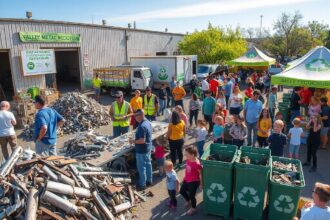
As the aroma of roasted turkey wafts through homes this Thanksgiving, local counties face an unfortunate reality—closed dumps and overflowing trash cans. On holidays, when garbage facilities shut their doors, irresponsible trash disposal often leads to unsettling images of litter-strewn public spaces and unexpected ‘garbage cliffs.’ It’s a situation that has ignited conversations about how enforcement and education can come together to combat litter.
The aftermath of holiday closures serves as a stark reminder of the challenges municipalities face in maintaining cleanliness. Yet, it’s not just about keeping areas clean; it’s about fostering a sense of community responsibility. Counties are reassessing their waste management strategies, recognizing that simple steps can have a significant impact. Emphasizing awareness, they target behaviors with initiatives that reach residents before their bad habits turn into environmental consequences.
At the core of the solution is education. Counties are rolling out informative campaigns aimed at highlighting the long-term effects of improper waste disposal. These efforts engage residents of all ages, focusing especially on the next generation. School programs and community workshops delve into the impacts of litter on wildlife and ecosystems, turning the issue from an inconvenience into a pressing matter of environmental health.
However, education alone isn’t enough. Effective enforcement plays a crucial role in ensuring adherence to waste disposal laws. By stepping up monitoring and fines for illegal dumping, counties aim to deter would-be offenders. It’s about creating a dual-front strategy where awareness raises consciousness, and enforcement upholds accountability. These combined efforts are a step towards a more sustainable approach to waste management.
Ultimately, the goal is to transform the narrative around waste disposal. By building a culture of responsibility and respect for the environment, counties hope for a future where the thought of discarding trash off a cliff becomes antiquated. This Thanksgiving, as conversations around the dinner table include gratitude and reflection, perhaps they can also include clean, sustainable living. After all, preserving the beauty of our streets and parks is a gift we owe to future generations.