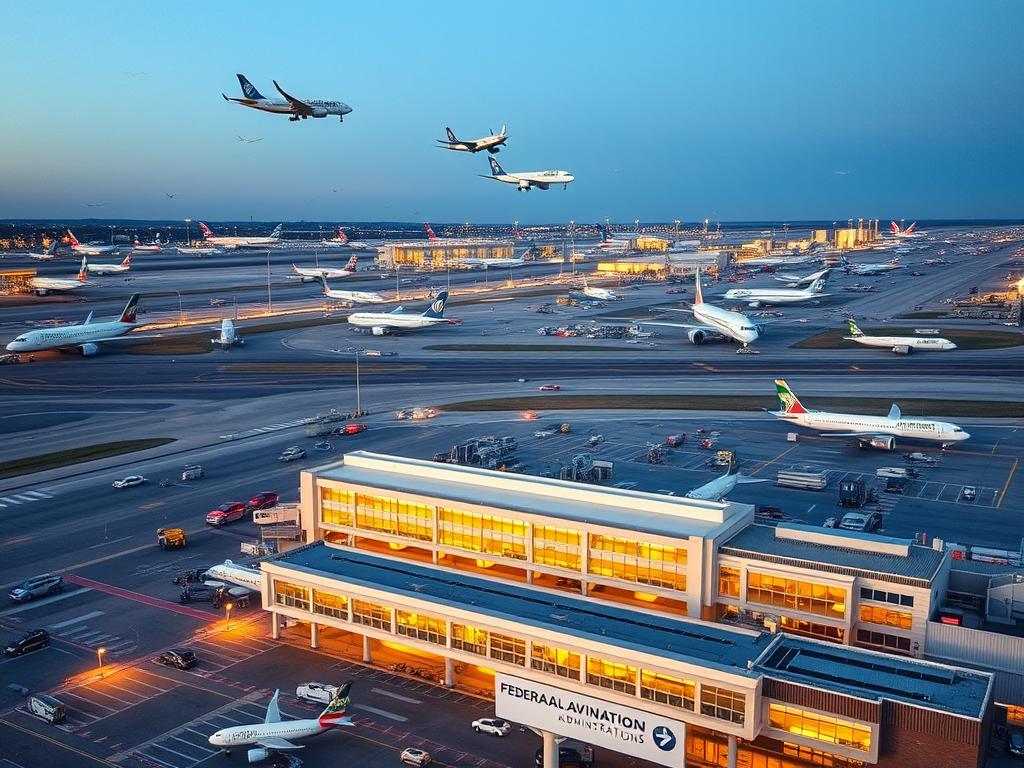
The Federal Aviation Administration (FAA) is taking a significant step forward in restoring normal operations across U.S. airports. Following a period of stringent flight restrictions at 40 major hubs due to procedural adjustments during a governmental shutdown, the FAA has announced its intention to ease these limitations. This marks an optimistic move toward stabilizing the affected air travel network, which had been grappling with disruptions. The aviation community eagerly awaits the ripple effects of these changes as heightened traveler and airline concerns begin to wane.
During the shutdown, the FAA had to impose measures that limited certain operational capacities, significantly impacting both domestic and international flights. Consequently, airports that typically bustle with activity saw a decrease in flight volume, straining airlines and causing headaches for passengers nationwide. In response to these pressures, the FAA’s decision to now roll back some restrictions is a welcome relief, aiming to mitigate backlogs and improve flight efficiency.
This gradual lifting of restrictions also serves as a testament to the agency’s commitment to maintaining safety while navigating financial and logistical realities. The temporary measures had sparked mixed reactions from stakeholders, some of whom voiced concerns about the long-term implications for airline schedules and passenger convenience. Yet, the FAA’s current course of action signals a balance between regulatory oversight and operational flexibility.
While this move paves the way for a smoother aviation experience, it is crucial to recognize that some limitations still remain. These persisting restrictions underscore the complexity of managing a multifaceted transportation system. Stakeholders must therefore prepare for a phased approach to complete normalization. This pivot by the FAA highlights ongoing challenges in a sector characterized by intricate interdependencies and regulatory requirements.
In conclusion, the FAA’s initiative to loosen some of its earlier restrictions is a positive stride toward restoring seamless air travel across key airports. While progress is evident, the partial retention of certain measures reminds us of the delicate balance between ensuring safety and fostering operational efficiency. As the newfound adjustments unfold, stakeholders across the industry will closely monitor the situation, hopeful for a comprehensive return to business as usual in the skies.