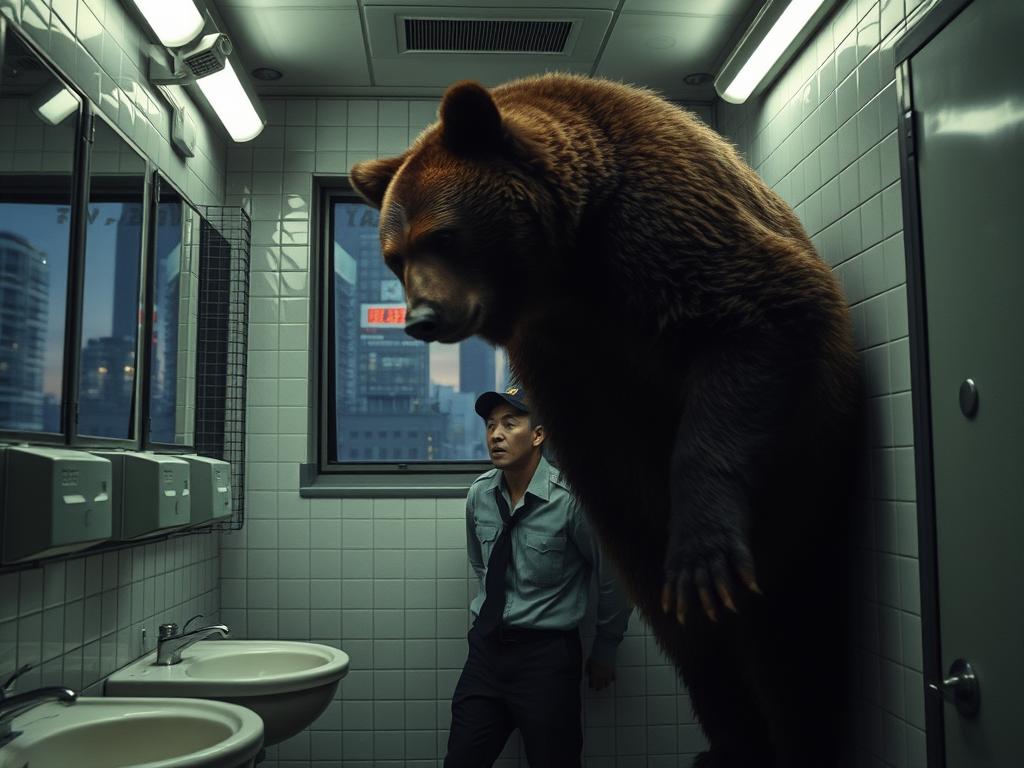
In a startling incident that underscores the unexpected ways nature can encroach upon urban life, a bear attacked a security guard inside a public restroom near a train station in Tokyo’s Gunma prefecture. While cities are known for their bustling streets and towering infrastructures, this episode highlights a rare but impactful convergence of wildlife and human habitats.
The surprise encounter unfolded in the quiet hours of early morning, a time usually associated with calm and transition. For the unsuspecting security personnel, however, it became a dramatic clash that led to swift responses from local authorities. The bear’s presence so deep within the city’s bounds raises pressing questions about wildlife behaviors and migration patterns, possibly linked to shrinking natural habitats or changing climate conditions.
Such incidents remind us of the broader environmental challenges we face today. Urban expansion often pushes wildlife into smaller and increasingly fragmented spaces, compounding the risk of these creatures venturing into human domains. While this specific bear attack might be an isolated event, it suggests the potential for more frequent and varied wildlife interactions across urban settings in the future.
For city officials and residents, the episode serves as a wake-up call to enhance coexistence strategies. Proactive measures might include the installation of wildlife alert systems, community awareness programs, and improved urban planning that considers the ecological balance. Additionally, investing in educational initiatives could foster a more knowledgeable public, prepared to handle such encounters safely and with empathy towards the displaced animals.
Ultimately, the encounter is a telling reminder of the delicate balance between urban life and nature. As cities continue to grow, mindful coexistence with wildlife becomes not only beneficial but essential. Acknowledging the signs and working towards a harmonious integration can transform potential conflicts into opportunities for understanding the diverse world we share.