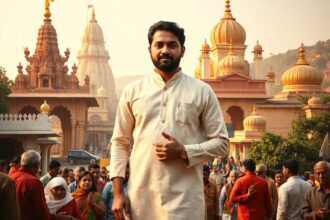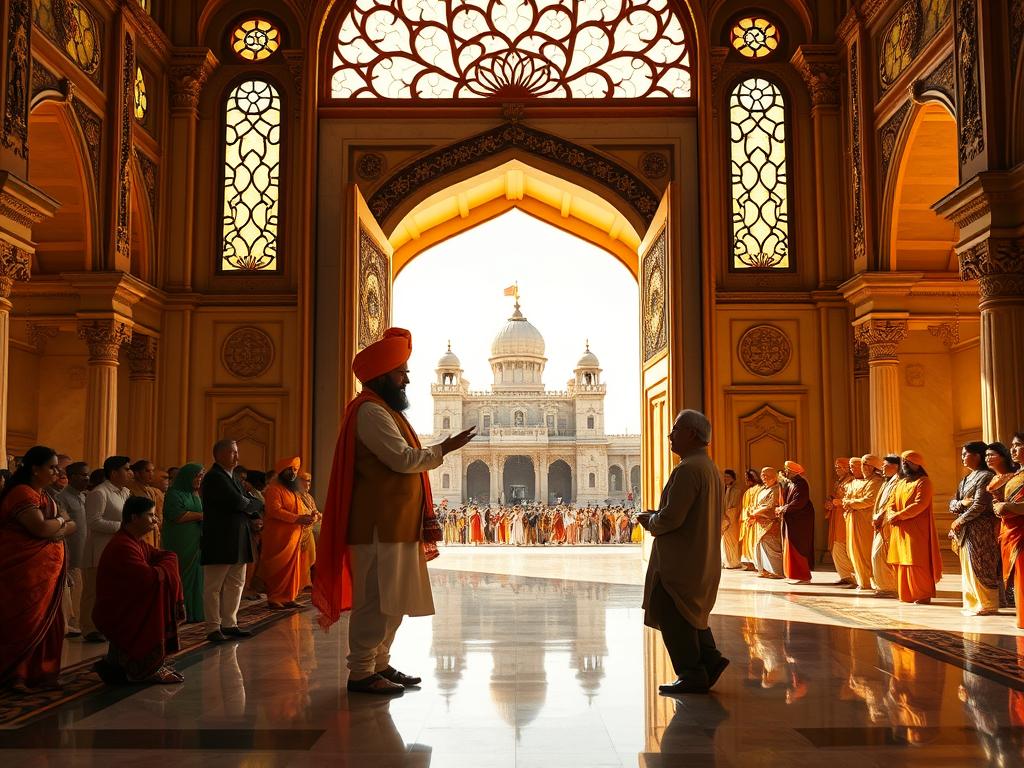
In a world that often forgets the value of sacrifice in favor of immediate gratification, the words of RSS Chief Mohan Bhagwat resonate with a profound reminder as he reflects on the sacrifice of Guru Tegh Bahadur. This emphasis roots itself not just in historical reflection but in the call for a continuous cultural and ethical examination. Bhagwat’s visit to the revered Gurdwara, where he was honored with a traditional turban by the chief Granthi Giani Gurjit Singh Khalsa, signifies more than just a ceremonial gesture; it embodies the ongoing dialogue between diverse cultural ideologies in India.
The mention of the Ram Temple in Ayodhya during Bhagwat’s visit connects past ideals with present aspirations. Celebrating the temple’s reconstruction brings to light the shared dreams of Sanatani people across the globe. It symbolizes the amalgamation of faith and cultural identity, illustrating how historical leaders like Guru Tegh Bahadur have set examples for unity and perseverance that continue to inspire the modern socio-religious landscape.
Guru Tegh Bahadur’s legacy serves as a critical lens through which one can view current societal dynamics. His sacrifice transcends religious boundaries, offering a universal lesson in courage and conviction. His dedication to religious freedom and standing up against oppression remains highly relevant, urging communities today to foster dialogues grounded in mutual respect and shared heritage.
The ceremonial nature of Bhagwat’s visit suggests an opportunity for various communities to converge on common ground while maintaining their unique traditions. It highlights the importance of recognizing sacrifices across historical narratives, encouraging reflection on how these lessons can be integrated into contemporary life. Furthermore, it elevates the discourse on how such historical insights might inform future decisions, nurturing a cohesive society.
As we reflect on these interactions, it’s essential to acknowledge that the celebration of figures like Guru Tegh Bahadur is not just about honoring the past but about guiding the present. His ultimate sacrifice serves as a reminder that resilience and sacrifice can pave the path toward greater societal harmony. Embracing this legacy today could inspire actionable change, fostering a world more respectful and inclusive of its diverse narratives.