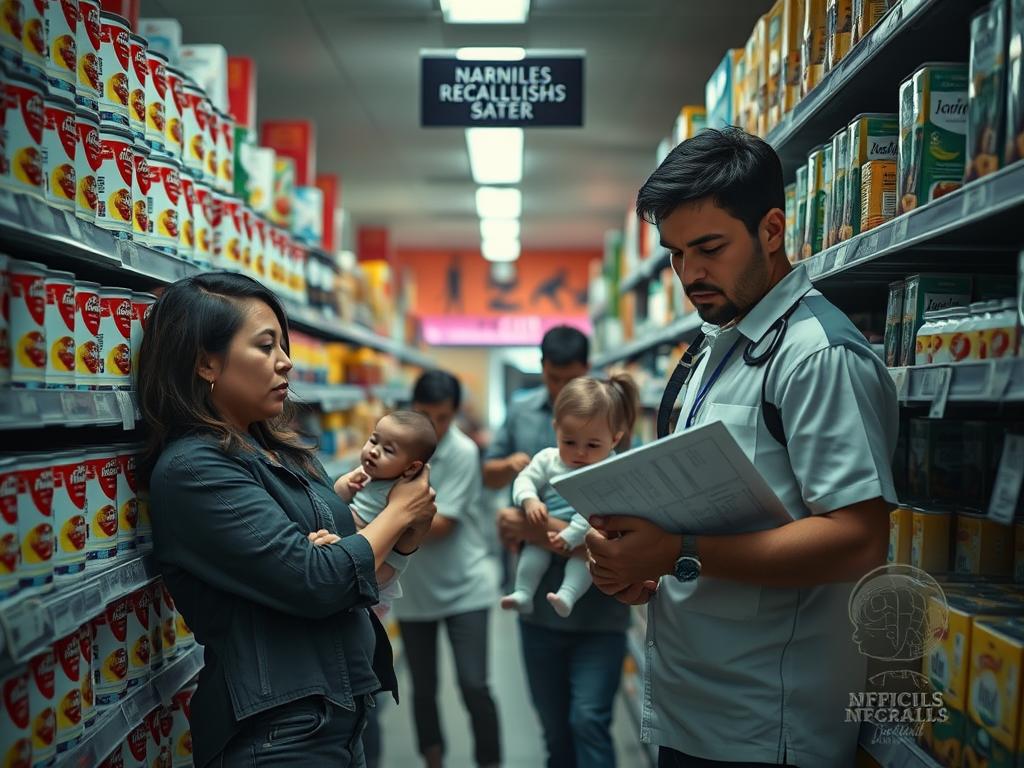
The safety of our children is a paramount concern for parents and society alike, so when a product hazard like botulism is linked to a baby formula, it’s more than just news—it’s a crisis. Recently, health officials have raised alarms about certain batches of ByHeart baby formula that have been recalled due to potential contamination leading to infant botulism. Despite the recall, the discovery of these products still available for purchase is causing widespread concern among parents and health authorities.
Botulism is a rare but serious illness, caused by a toxin that attacks the body’s nerves and can lead to paralysis and even death. For infants, whose bodies are still developing, the risk is heightened, making the reports of increasing cases associated with the ByHeart product especially unsettling. Recalls in the market are supposed to serve as a protective measure, but when items remain on shelves, it reflects a gap in our safety net that must urgently be addressed.
In-depth investigations are underway to understand how recalled products continue to slip through the cracks and remain accessible to consumers. Several factors might be at play, including ineffective communication channels between suppliers, retailers, and the regulatory authorities. Moreover, some stores might not have robust systems for detecting and removing recalled items promptly. This represents a significant oversight that calls out for a systemic solution to prevent future mishaps.
Addressing this issue effectively requires coordinated efforts across multiple levels. Retailers must implement more stringent checks and continuous communication with both manufacturers and health officials. For parents, staying informed about recalls through reliable channels and double-checking product safety before purchase is prudent. Meanwhile, the authorities must enhance their monitoring systems to ensure complete compliance with recall notices.
In conclusion, while the immediate concern is ensuring that no more children are affected by contaminated formula, the long-term goal must be to tighten the entire recall process. ByHeart’s situation highlights the need for drastic improvements in how recalls are managed and enforced. Ultimately, a multi-faceted approach is essential to safeguarding children from such preventable health threats, and to restore trust in consumer safety measures.