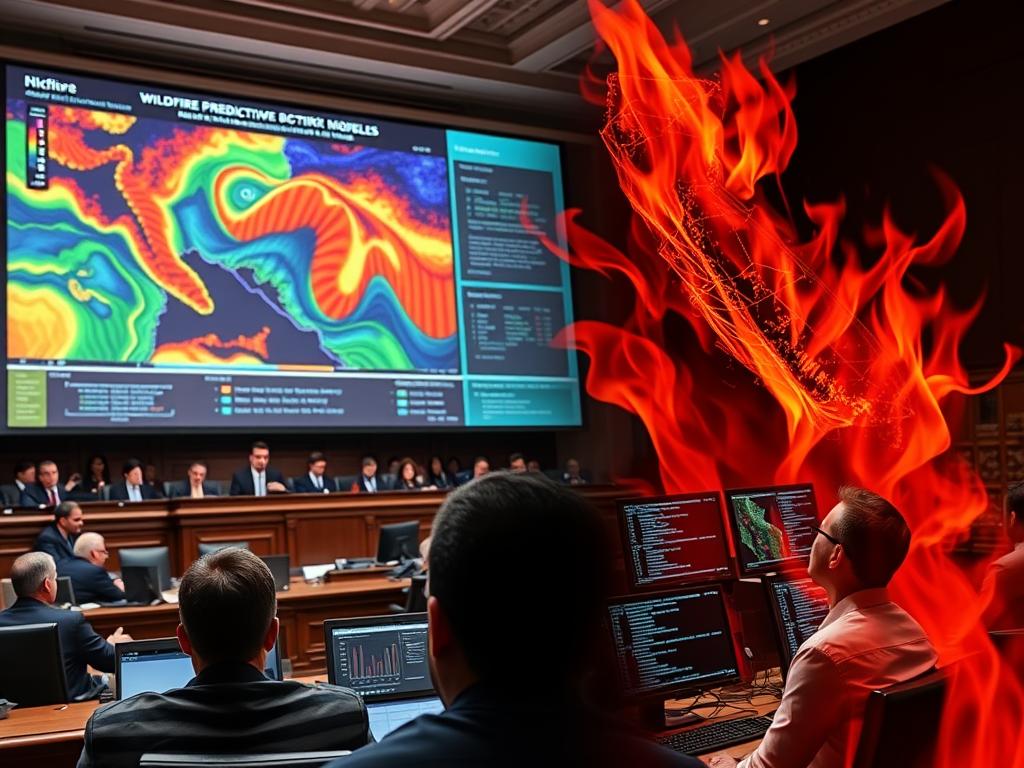
As wildfires increasingly become a time-sensitive existential threat, Representative Dave Min from Costa Mesa has taken an innovative step forward by proposing legislation aimed at refining the predictive models used to forecast extreme fire conditions. His initiative recognizes a significant gap in the current understanding and predictive capacities of such models, crucial for adapting to the intensifying challenges posed by climate change.
In recent years, wildfires have devastated large swaths of land, displacing communities and causing significant environmental damage. However, the existing predictive models often fall short in anticipating the extreme conditions that drive these fires. By turning towards academic institutions and leveraging their research capabilities, Rep. Min seeks to bridge the gap between current modeling limitations and the need for more comprehensive, accurate predictions.
Universities serve as bastions of cutting-edge research and innovation, making them ideal partners in this legislative effort. Their involvement would not only enhance the accuracy of predictive models but also ensure that predictions are informed by the latest in scientific findings and technological advancements. The collaboration could potentially lead to more robust data analytics platforms, integrating real-time environmental data, and historical weather patterns to predict and preemptively respond to wildfire threats effectively.
While the notion of enhanced predictive modeling brings promise, it also poses challenges. Integrating and analyzing massive data sets require substantial computational power and sophisticated algorithms—areas where universities have shown strong expertise. However, funding and ensuring these advancements translate into actionable on-ground strategies will be vital. This proposal opens the door for future policy debates on how resources can be effectively allocated to maximize the impact of these predictive models.
In conclusion, Rep. Min’s proposal underscores the critical need for innovation and cross-sector collaboration to effectively manage and mitigate wildfire risks. By capitalizing on academic expertise, this legislative move not only seeks to bolster forecasting abilities but also contributes to a larger effort of creating resilient communities in the face of growing climate challenges. It is a call to action for comprehensive solutions that blend scientific excellence with practical policymaking.