





In a visionary step towards sustainable urban living, Selangor is charting a course to breathe new life into its aging residential infrastructures. Scheduled to commence in 2027, this ambitious endeavor seeks to rejuvenate apartments and flats erected during the 1970s and 1980s, thereby paving the way for a modernized urban landscape that seamlessly marries functionality with aesthetic appeal. This redevelopment initiative is not merely cosmetic; it’s a bold strategy to safeguard against urban stagnation and decay, setting a precedent for sustainable urban planning.
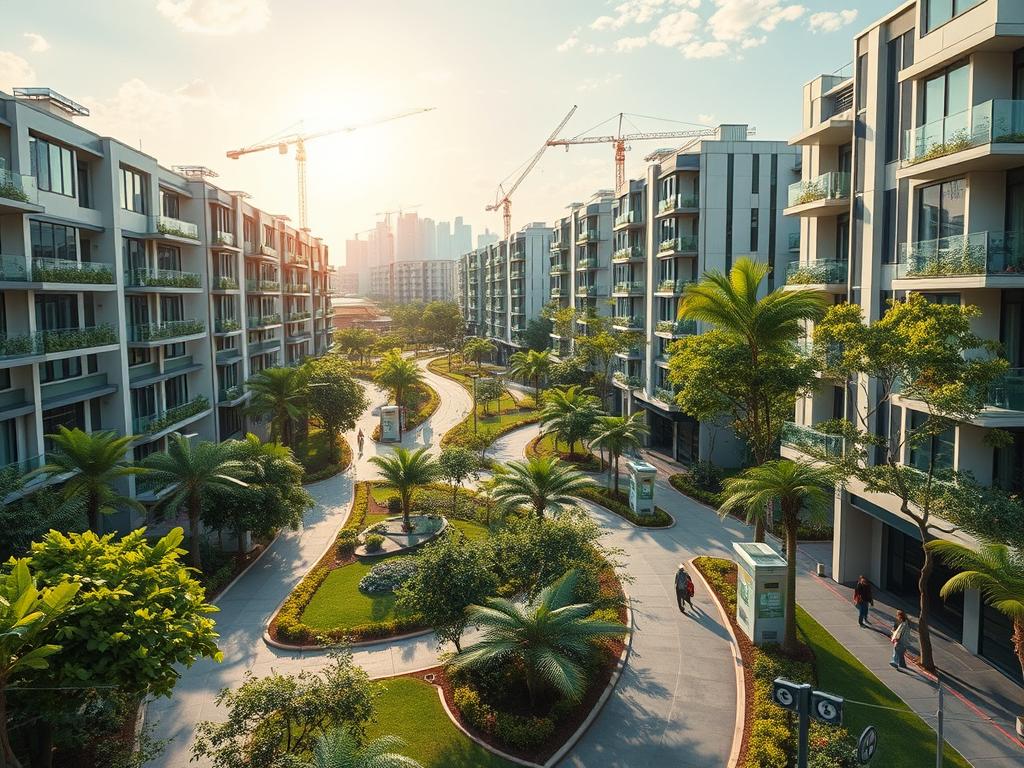
The initiative highlights Selangor’s commitment to adapting to the ever-evolving demands of urban living, representing a forward-thinking approach that addresses the complex challenges faced by densely populated regions. Aging infrastructure often struggles to meet contemporary living standards, creating a pressing need for urban redevelopment. The planned projects promise enhanced housing quality, improved infrastructure, and more green spaces, reflecting a comprehensive vision that prioritizes both community needs and environmental concerns.
Transforming these old edifices is not just about building anew but also about building smarter. The Selangor government is poised to incorporate innovative technologies and design principles that will ensure these modern residences are more energy-efficient and environmentally friendly. Such changes are expected to reduce the carbon footprint of urban living and foster a healthier, more vibrant community life. By integrating smart city elements into the development plans, Selangor is setting benchmarks in urban renewal that other regions in Malaysia might soon emulate.
However, the road to such a transformation is not without its challenges. Concerns over funding, potential displacement of current residents, and maintaining the cultural integrity of these neighborhoods pose significant hurdles. It is crucial for the stakeholders to engage in transparent dialogues with residents, ensuring their concerns are addressed and their needs met, thus fostering community support and participation in the revitalization efforts. Successful urban renewal hinges on striking a balance between progress and preservation.
In conclusion, Selangor’s upcoming urban renewal project represents a strategic and innovative leap towards future-proofing its housing sector. If executed with care and collaboration, this initiative holds the promise of transforming aging neighborhoods into thriving hubs of sustainable and connected urban life. As these plans unfold, they could very well serve as a model for cities across the globe grappling with the realities of urban decay and the pressing need for sustainable living environments.