Namibia’s livestock industry is currently navigating turbulent waters, characterized by a strain on supply that has reverberated through various subsectors. The confluence of environmental and economic factors has led to a noticeable dip in marketing volumes compared to the same period last year. This development has prompted stakeholders to reassess strategies and explore measures to secure sustainable outputs despite the challenges.
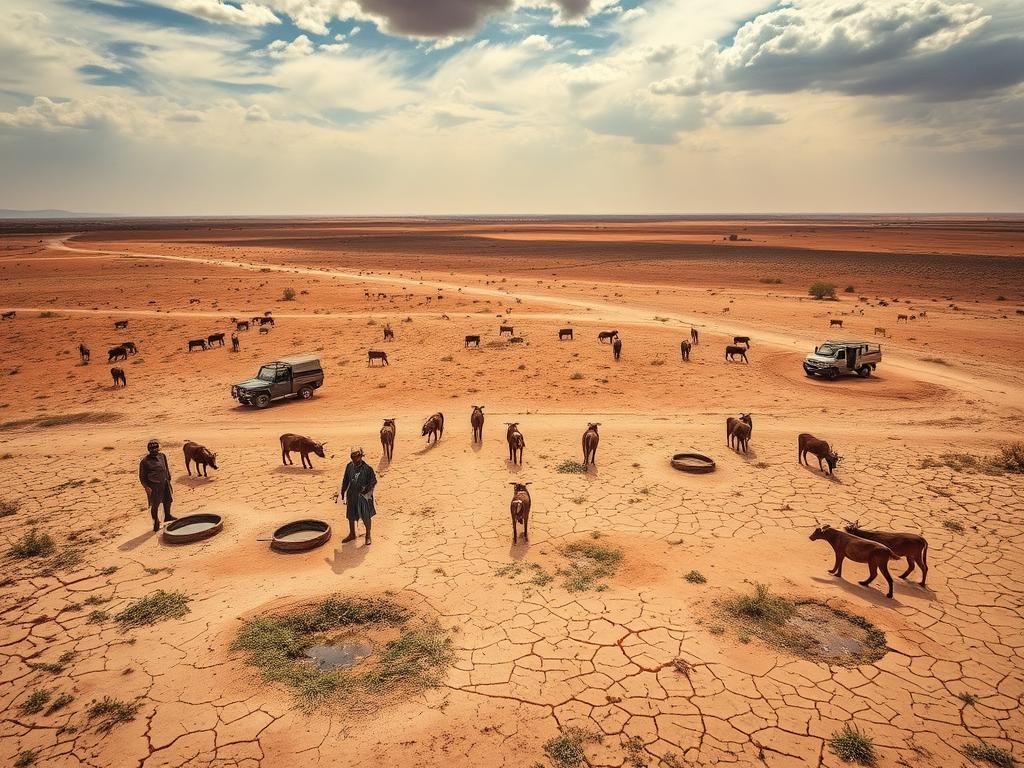
At the heart of the current supply conundrum lies the unpredictable climate patterns that have significantly impacted production. Erratic rainfall and prolonged drought conditions have strained water resources and pasture availability, vital components for livestock sustenance. This environmental volatility has pushed farmers to decrease their livestock numbers, directly influencing the market dynamics and squeezing supply further.
Moreover, the economic landscape is also shaping the sector’s trajectory. Rising costs of inputs such as feed and veterinary services have squealed profits and added additional hurdles for producers. This scenario has compelled many in the industry to either cut back on livestock numbers or seek innovative methods to maintain viability. The delicate balance between cost management and production efficiency has never been more critical.
In response to these multifaceted challenges, various initiatives have been proposed to bolster the sector. One promising approach is the investment in sustainable agricultural practices that can mitigate the adverse effects of climate change. Enhanced management of water resources, coupled with the introduction of drought-resistant fodder, are among the strategies gaining traction. Additionally, stakeholders are exploring collaborations that extend beyond national borders to share insights and resources.
In conclusion, Namibia’s livestock sector stands at a crossroads. The ongoing supply pressures underscore the urgency for structural adaptations within the industry. By embracing innovative solutions and fostering a collaborative mindset, stakeholders can navigate this tight squeeze, ensuring that the sector not only survives but thrives in the face of future uncertainties.