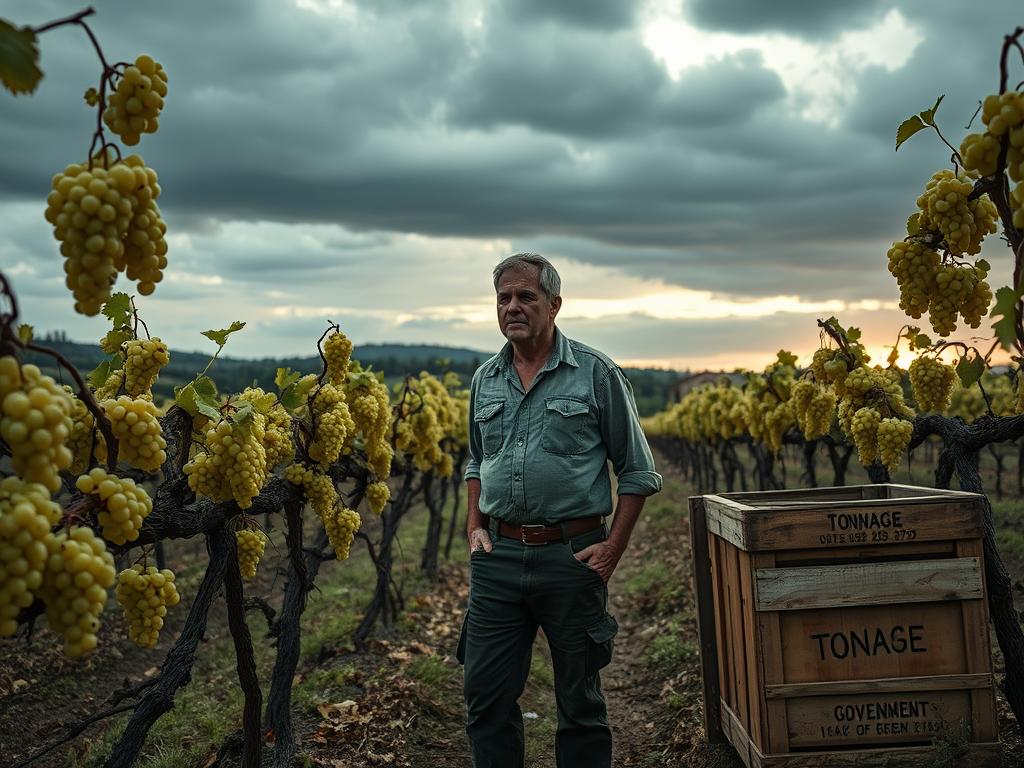
South Australia has long been celebrated for its rich, diverse wines that traverse the tasting spectrum from full-bodied reds to crisp whites. However, a storm of financial uncertainty is looming over the region’s beloved white wine grape industry. The most recent indicative pricing for the upcoming vintage has delivered a disheartening blow, suggesting potential losses of up to $270 per tonne for growers. This comes as a harsh reality for an industry already teetering on the edge of the precipice, struggling to keep its balance amidst ongoing challenges.
White wine grape growers in South Australia have been navigating a complex web of difficulties: from volatile market demands and international competition to climate-related challenges. The recent pricing signals have exacerbated these challenges, prompting the regional wine grape industry to appeal to the South Australian government for urgent assistance. The growers’ plea underscores the critical state of an industry facing existential threats. This plea is not only about salvaging livelihoods but also about preserving a cultural and economic cornerstone of the region.
The proposed economic losses per tonne could translate into dire financial implications for growers, many of whom are already operating on razor-thin margins. For small and medium-sized enterprises, where every dollar counts, these numbers can mean the difference between sustainability and insolvency. As the South Australian wine industry grapples with these issues, there is an urgent need for innovative solutions that can bolster resilience and ensure a brighter future for the growers.
However, the potential remedies are not straightforward. While government intervention could provide temporary relief, a more sustainable approach might involve investing in value-added processes, diversifying product offerings, or tapping into emerging markets overseas. Innovation in grape cultivation techniques, marketing strategies, and export opportunities could pave the way to revitalize the industry and stabilize the market dynamics that have been so fickle in recent years.
In conclusion, the plight of South Australia’s white wine grape growers is a complex narrative of economic survival and cultural preservation. This crisis presents an opportunity for collective action, requiring both government support and grassroots ingenuity to transform adversity into advantage. As the industry stands at this critical crossroads, the future will depend on the actions taken today. Perhaps, with strategic resilience and innovation, the bitter harvest of today can produce the celebrated vintage of tomorrow.