





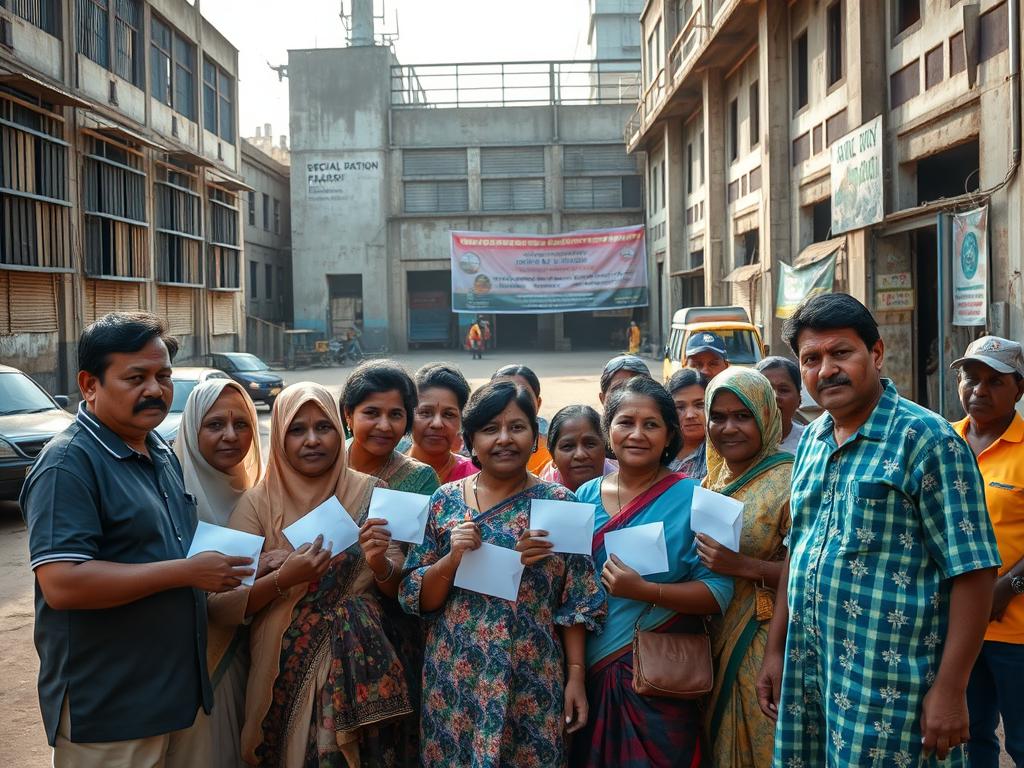
The government’s recent announcement to compensate weaving mill employees affected by the factory closures in Thulhiriya and Pugoda offers a glimmer of hope in what has been a challenging time for the textile industry. The decision, approved by the Cabinet of Ministers, marks a critical intervention to soften the blow for hundreds of workers who suddenly face uncertainty in the wake of these shutdowns.
Textile mills, particularly in regions like Thulhiriya and Pugoda, have long been the lifeline for local economies, providing jobs and supporting ancillary businesses. The closure of these mills not only affects the immediate employees but has broad ripple effects—impacting everyone from local vendors to transportation services. As such, the government’s initiative to offer financial relief is a welcome move, acknowledging the broader economic ecosystem that these mills support.
Compensation is more than a financial necessity; it’s a gesture that reaffirms the government’s commitment to social responsibility. However, beyond this immediate relief, there’s a pressing need for a comprehensive long-term strategy. The textile industry, like many others, is facing challenges due to globalization and changing market demands. Proactive steps, such as reskilling programs and industry diversification, could offer sustainable solutions for displaced workers.
While financial compensation provides short-term stability, there’s a significant opportunity for policy makers to leverage this moment for impactful change. Investments in modernizing manufacturing processes and encouraging innovation within the textile sector could invigorate this traditional industry. Additionally, fostering public-private partnerships might provide the necessary resources and expertise to reintegrate affected workers into the workforce.
In conclusion, the government’s decision to compensate displaced weaving mill workers is a commendable step in the right direction. However, it is equally important that this move is complemented by initiatives aimed at securing long-term economic stability for both these workers and the textile industry at large. By embracing a holistic approach, incorporating education, innovation, and industry collaboration, there is potential to weave a stronger, more resilient fabric for the future of the local economy.